
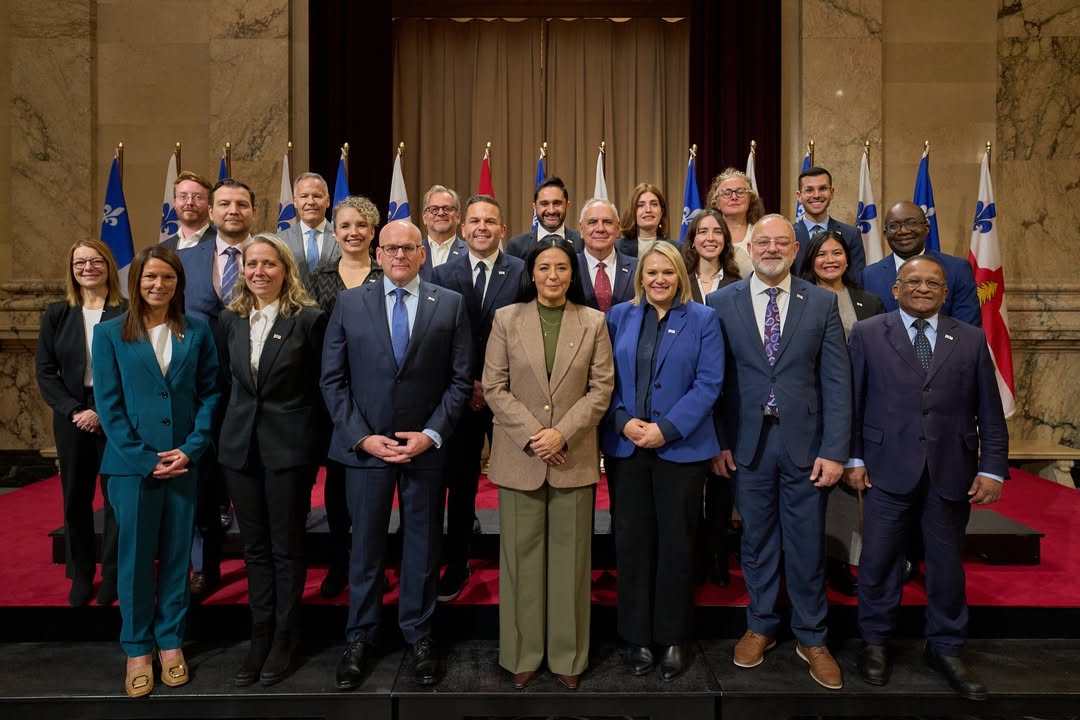
One year after the election of Soraya Martinez Ferrada and her party, Ensemble Montréal, is the city doing better? Not really, according to a citizens’ group interviewed by The North Star, who point to the number of potholes and persistent sanitation issues.
→ Read Part 1 of this interview.
Ligue 33 is a neighbourhood organization in the Mercier–Hochelaga-Maisonneuve borough of Montreal. The group gathers citizens’ concerns during meetings and community events and mobilizes them to “apply pressure on certain issues that concern them.”
Its assessment of the new administration: the climate of exchange has improved, but little has actually changed.
Potholes
The condition of Montreal’s roads is a major concern for residents. And for good reason: in August 2025, the city’s auditor general classified 30 to 40% of the streets as being in “poor condition” or “very poor condition.”
Before its election, Ensemble Montréal pushed the issue of potholes in an effort to set itself apart from its opponents. Its 2025 election platform promised to improve the situation in the boroughs of Montréal-Nord and Saint-Léonard. In Mercier-Hochelaga-Maisonneuve, Councillor Julien Hénault-Ratelle used to track potholes in his district to put pressure on the Projet Montréal administration.
However, in January 2026, Ensemble Montréal announced $70 million in cuts to the central budget for pothole repair, almost 20% less than the previous administration’s budget. Funding allocated to the boroughs for road maintenance was also reduced by several million.
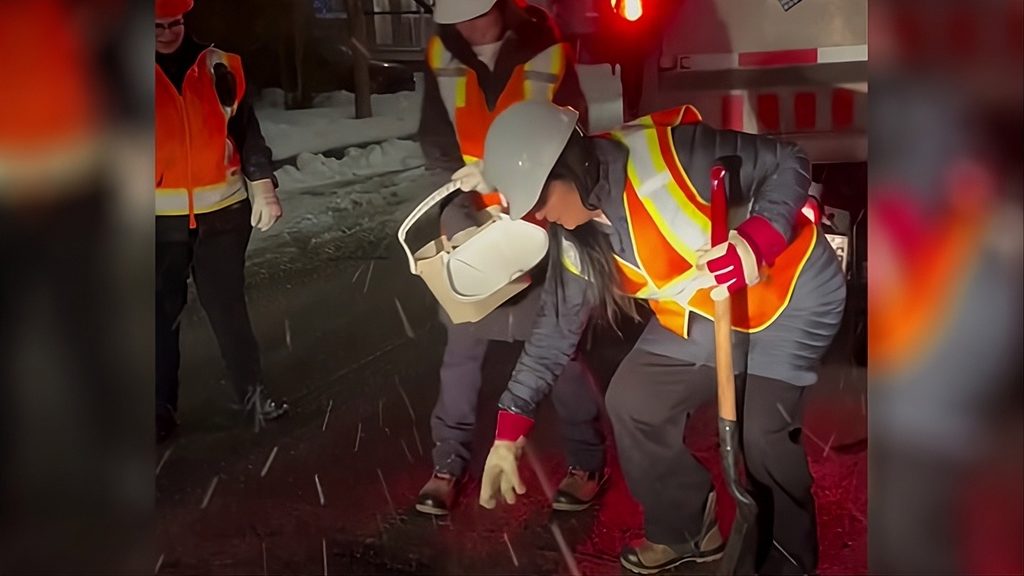
The day after the announcement, on January 13, the mayor staged a photo op in which she helped fill a pothole alongside city employees.
Then, during the night of February 2, 2026, Martinez Ferrada’s car suffered two flat tires due to potholes on Notre-Dame Street. The news made headlines. In articles on the subject, the mayor announced that she would take drastic measures to tackle the potholes.
In the weeks that followed, she entered into a series of “private contracts” (that is, without going through a competitive bidding process) with private companies to urgently patch certain streets in the city. Six million dollars was also allocated to repair Notre-Dame Street and purchase equipment… even though the city already owned such equipment. It simply needed to be repaired.
Montreal’s blue-collar city workers, who were in collective negotiations at the time, thus asked the city to invest in equipment repairs. They explained that this would allow city employees to be much more efficient at patching potholes—a task they were forced to perform mostly by hand. The four Python 5000 automatic pothole-filling machines owned by Montreal are not working, for reasons the city has never disclosed.
Despite some measures taken by the administration, the road surface conditions remained disastrous on many of Montreal’s main streets. In March, CAA-Québec reported receiving 48% more calls for flat tires than last year in Montreal.
Finally, with the arrival of spring, residents decided to take matters into their own hands and fill in some of the potholes. A few citizens shared videos of themselves and their families filling them. However, it was a construction contractor, Saad Tekiout, who gained the most attention on social media as he filled dozens of potholes across the city.
At the same time, Ligue 33 also launched a citizen-led pothole-filling initiative in the Hochelaga neighbourhood, which it called “SOS Potholes.” Their ten or so pothole-filling outings were intended to put pressure on the new administration to, among other things, listen to the demands of blue-collar workers.
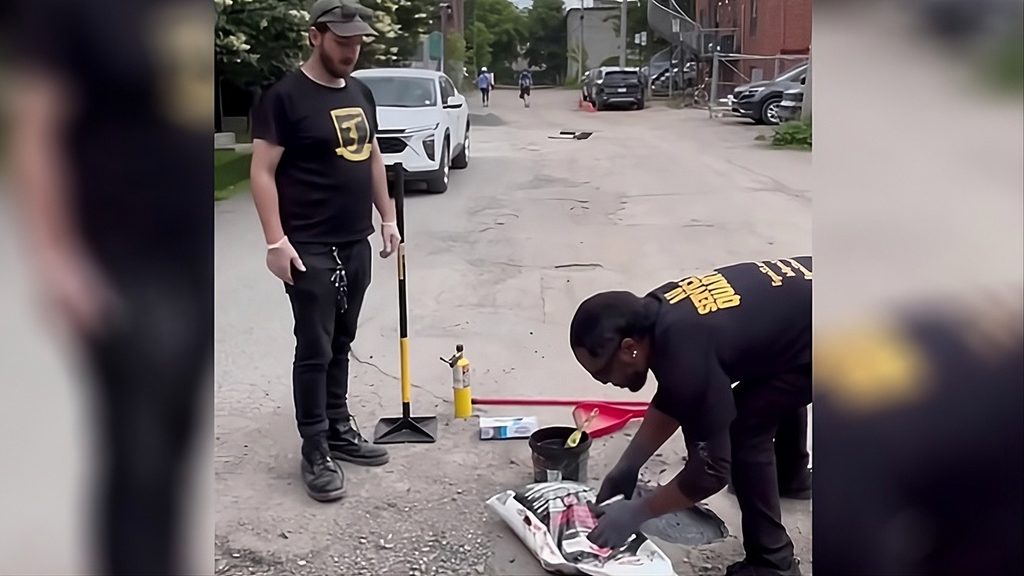
After filling in some potholes on Nicolet Street, which was in very poor condition, Ligue 33 managed to get the borough to repair the rest of the street. Ligue 33 member Jonathan Haiun explains how “by putting a little pressure on them, by starting to do it ourselves, […] we got their attention, and all of a sudden, Nicolet was patched up.”
In the middle of summer, the city finally repaved a particularly damaged section of Notre-Dame Street East. Less than two months later, a stage of the World Cycling Championships was held on that exact stretch.
Finally, in the fall, city officials announced they had purchased two new automatic pothole-filling machines which, according to the Journal de Montréal‘s sources, cannot operate below 5 degrees Celsius. The mayor nevertheless told the same newspaper that there will be fewer potholes in the city next year.
Garbage collection
In Mercier–Hochelaga-Maisonneuve, one of Ensemble Montréal’s key campaign promises was to restore garbage collection to once a week from May through October. Until recently, collection had been taking place every two weeks, year-round. However, at the start of the election campaign, only the party Action Montréal had promised to increase the frequency of garbage collection.
But during the campaign (and following pressure from Ligue 33), the parties changed course. First, Ensemble Montréal promised to reinstate weekly collection during the summer, then Projet Montréal—which had introduced the reduced-frequency measure—followed suit and made the same promise.
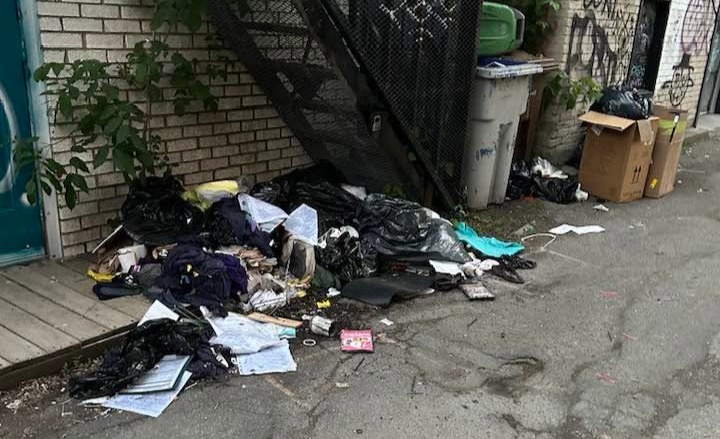
Jonathan says that the Ligue’s members “didn’t expect this.” He explains that “for almost three years, every month, we submitted petitions and held protests at the borough council. Finally, when Projet Montréal and Ensemble Montréal realized this was an important issue for winning the election, they contacted us to set up meetings.”
A few months after its election, Ensemble Montréal formally voted to approve the reform, but only for the Mercier–Hochelaga-Maisonneuve borough. Garbage collection remains biweekly in a section of Verdun and in the Saint-Laurent borough.
Under the leadership of Ensemble Montréal, Ahuntsic-Cartierville began phasing out services in this area starting in October 2026. The same is currently happening in Saint-Michel, around the “Little Maghreb” neighbourhood. The same applies to the boroughs of L’Île-Bizard-Sainte-Geneviève and Pierrefonds-Roxboro.
The city’s website states that all boroughs will have switched to biweekly collection by December 2027. However, the Mercier–Hochelaga-Maisonneuve borough administration has promised that collection will remain weekly during the warmer months.
Be part of the conversation!
Only subscribers can comment. Subscribe to The North Star to join the conversation under our articles with our journalists and fellow community members. If you’re already subscribed, log in.