
Major cuts to Canada’s Interim Federal Health Program (IFHP) went into effect May 1. The IFHP provides temporary health coverage to refugee and asylum claimants, protected persons or resettled refugees.
The cuts to IFHP, announced in January 2026 by the federal government, entail a $4 co-pay per prescription and payment of 30% for dental, vision, and mental health care, alongside physiotherapy and assistive devices by patients.
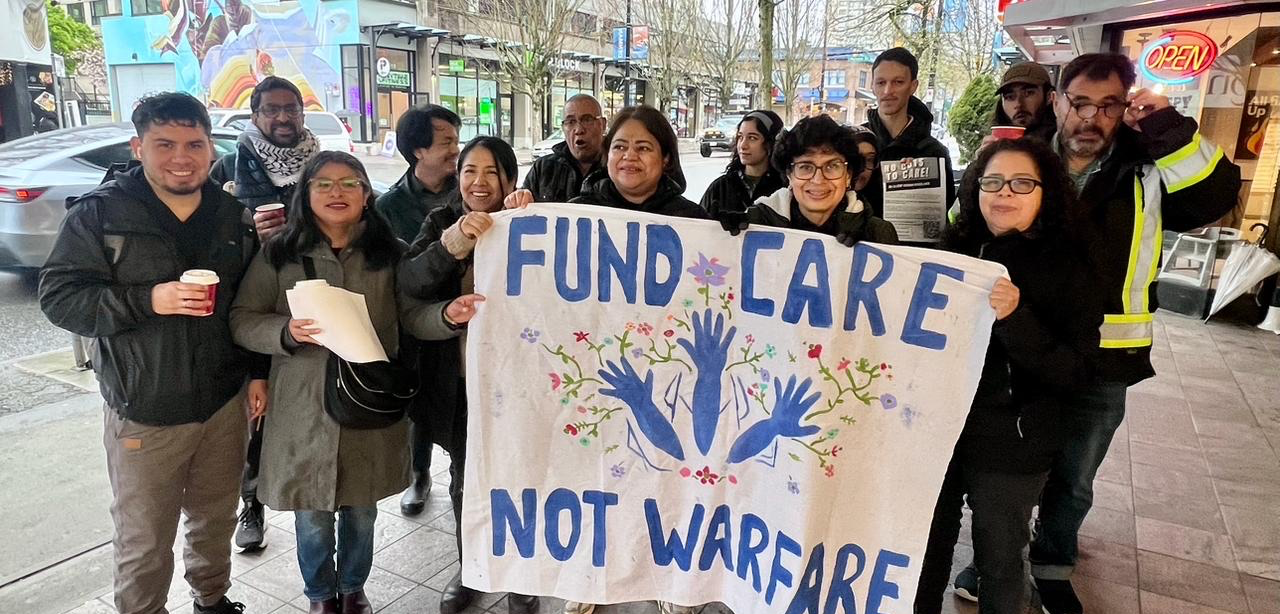
On April 14, Migrant Rights Network mobilized migrant workers and organizers in front of MP Hedy Fry’s office in Downtown Vancouver to protest the cuts. A physician and the chair of the Federal Standing Committee on Health, Fry is a significant decision maker in the process of cutting this budget.
Present at the protest, family physician Wynn Tran remarked, “I think it is really important as a physician to recognize the great impact that this is going to have, really not just on the health of refugees, but on our health system and on public health as a whole.”
Byron Cruz of Sanctuary Health and Migrant Rights Network says they recently got in touch with nurses and physicians who have initiated a National Day of Action to stop cuts to refugee claimants’ access to healthcare. He notes that when the Conservative government was in power, cuts to IFHP resulted in one death and risked many more in the community. He says the proposal by the Liberal government for co-payment risks similar harm to the community.
Cruz notes that Canada is responsible for the refugees it produces by selling arms to the Gulf and Israel. He says the Canadian government should not cause forced migration and simultaneously limit the civil liberties and access to health care for the same refugees it pushes into leaving their home, noting that health care expenses are “nothing compared to the expenses in military aid committing genocide.”
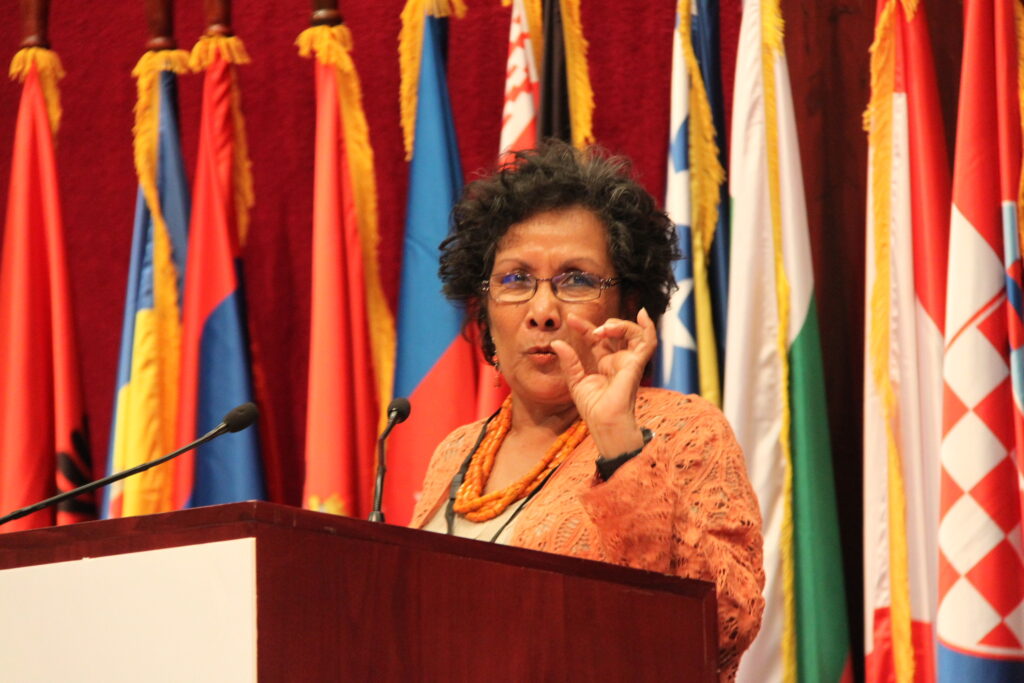
Molly Miller, a social worker at Lionsgate Hospital and BC Children’s Hospital, worries that these cuts will lead to lifelong health challenges that could have easily been prevented by timely care:
“It’s not going to save us money in the long term. There’s a small amount of money that the federal government might save in the short term but in the long term, people will just be having to go to hospitals because they’ll get sicker and sicker without taking their medication.”
On their website, Migrants Rights Network notes that the liberal co-payment policy will simply redirect the costs, if not increase them. Money isn’t being diverted from Canadians to refugees. Rather, when refugees delay their care and end up hospitalized, provincial health systems get bogged down and incur excessive costs.
Cruz notes that the cuts to IFHP are part of a longstanding pattern of austerity in health care:
“The neoliberal government’s implemented [this] privatization for many years. They haven’t invested in the health care system for many years […] They abandoned the hospitals for many years,” he told The North Star.
He says migrants and refugees will continue to be creative in establishing their own models of health care through projects like community clinics:
“We recently started some clinical sessions in the community this once a month where we are seeing people regardless immigration status, and then slowly we are going to grow up with the support of nurses, doctors, social workers and allies in the community, but with the community in the leadership of this project.”
Be part of the conversation!
Only subscribers can comment. Subscribe to The North Star to join the conversation under our articles with our journalists and fellow community members. If you’re already subscribed, log in.