
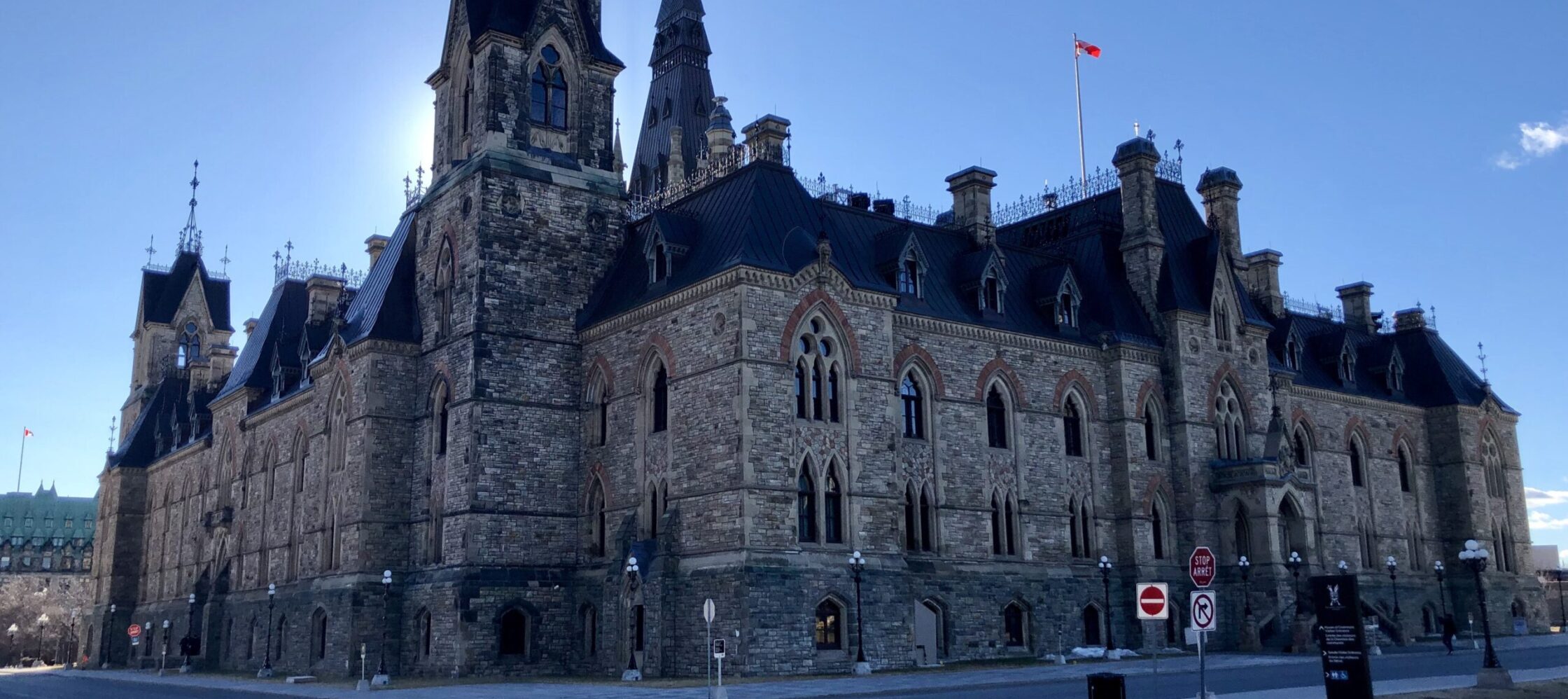
Bill C-22, the lawful access bill, was quietly rushed through the House of Commons late last week. In the face of scathing criticism from civil liberties groups and opposition parties, the Liberals cut off debate and dismissed critics as paranoid conspiracy theorists.
At a press conference on Thursday, Government House leader Steven MacKinnon boasted that Liberals were outpacing the Conservatives in their crackdown on civil liberties.
“It used to be that Conservatives were the law and order party,” he commented. “I hope that the conspiracies and the tinfoil hats are something that will fade away over time, but we can now safely say that it is the Liberal Party that’s the party that’s most clearly for law and order in the country.”
During committee study, MacKinnon characterized Conservative opposition to fast-tracking the bill as “obstructionist.” The Liberals’ hostile attitude toward scrutiny over privacy policy is becoming a recurring theme. Last Monday, the party tabled new legislation that would strip the Privacy Commissioner of its role in regulating the private sector.
What’s in the proposed law?
Key provisions of Bill C-22 would require “electronic service providers”—an extremely broad category—to collect, retain, and turn over to law enforcement agencies six months’ worth of metadata on all Canadians. The bill runs roughshod over Charter protections against unreasonable search and seizure.
Metadata of this nature can include highly sensitive information including patterns of movement, medical details, and political and religious activity or affiliation. The definition of “electronic service provider” includes any online service, including email, encrypted messaging, VPNs, online banking, cloud storage, and internet companies themselves.
Bill C-22 also grants the Minister of Public Safety authority to compel any electronic service provider to implement interception or decryption measures.
Several such providers, such as the VPN services WindScribe and NordVPN as well as the encrypted messaging app Signal, have signalled they would rather pull out of Canada than be forced to hand over user metadata. This is unlikely to be a bluff. Several VPN companies ceased operations in India in 2022 after a government order to retain customer metadata.
Consequences of fast-tracking
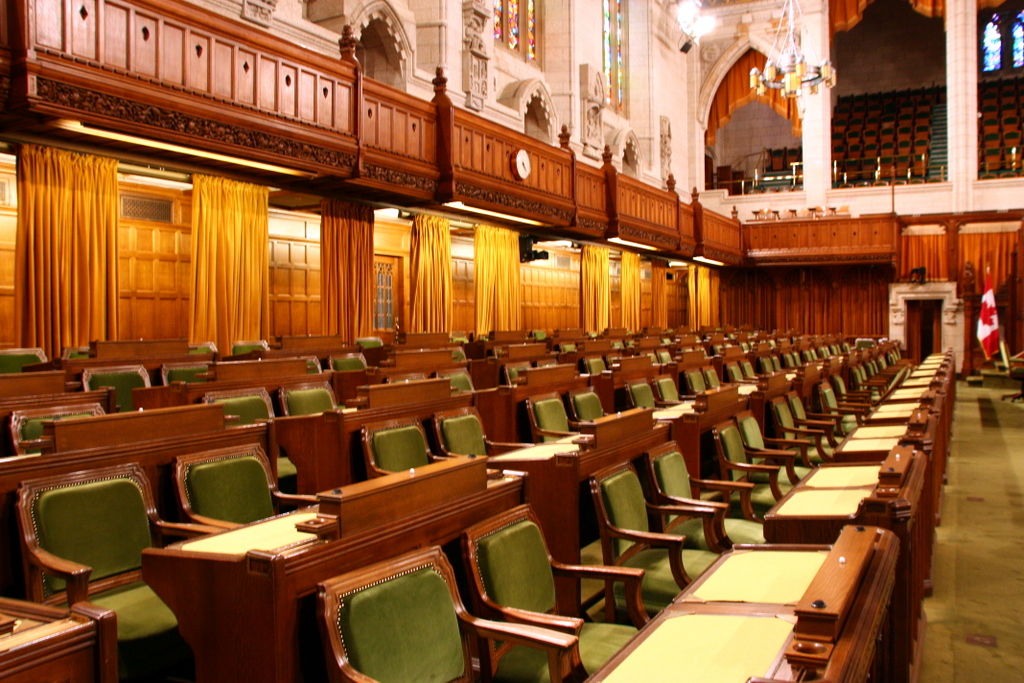
The move to push the bill through the House without further debate means that a great number of amendments will never be heard or made public. This includes amendments based on testimony from the Privacy Commissioner, legal experts, security companies, and other privacy experts.
The amendments actually voted on by lawmakers will be kept secret.
The decision is an about-face from Public Safety Minister Gary Anandasangaree. In late May, he had committed to extensively amend the bill after massive blowback from tech companies.
The amended bill will be heard by the Senate in September.
A familiar rhetoric
Anandasangaree justified stymying debate on the controversial bill by pitting critics against victims of crime:
“When Parliament makes law, there’s time for debate, and there’s time for choosing,” he told journalists last Tuesday. “It’s a time to choose between victims of crime who are demanding that we, as parliamentarians, act to protect them.”
Anandasangaree’s with-us-or-against-us comments recall those of his counterpart in the Harper administration, Vic Toews, who during a 2012 debate on lawful access said a Liberal critic could “either stand with us or with the child pornographers.”
Toews’ comments provoked outrage from the Liberals at that time and played a role in the decline of his political career.
Be part of the conversation!
Only subscribers can comment. Subscribe to The North Star to join the conversation under our articles with our journalists and fellow community members. If you’re already subscribed, log in.