
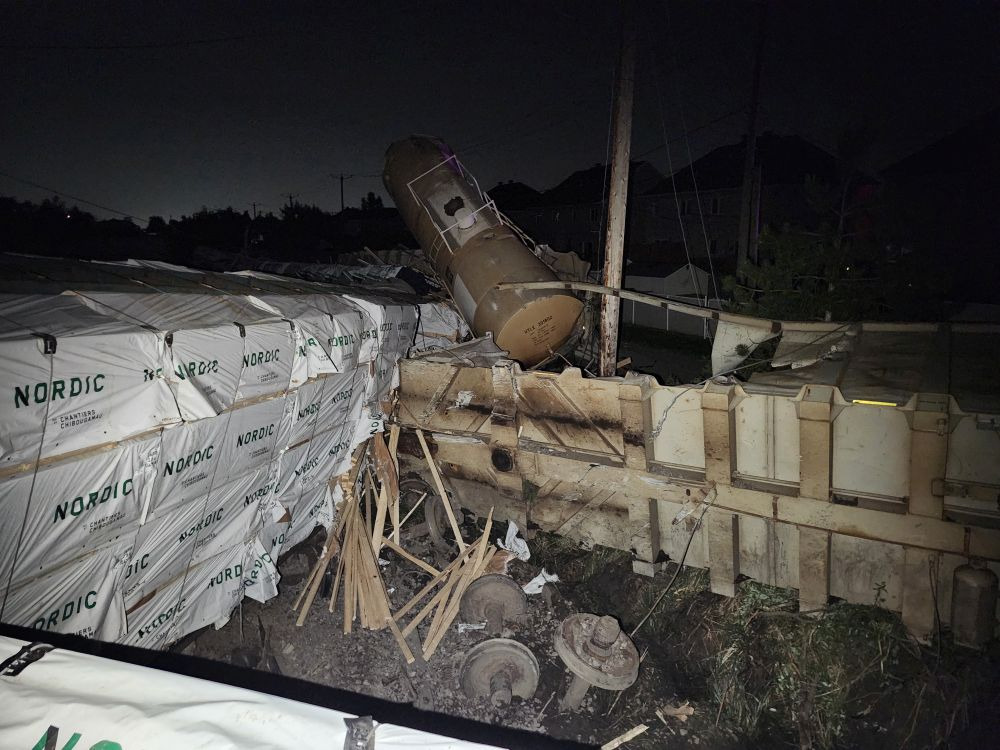
One Sunday in early July, train cars derailed in the middle of a residential neighbourhood in Repentigny, Quebec. No one was injured, but the scene took Robert Bellefleur back 13 years to the explosion that killed 47 people in Lac-Mégantic.
“Repentigny narrowly avoided disaster,” says the activist. As a report released after the accident reveals shortcomings in rail maintenance, The North Star spoke with the man who denounces “the power of the railroad companies.”
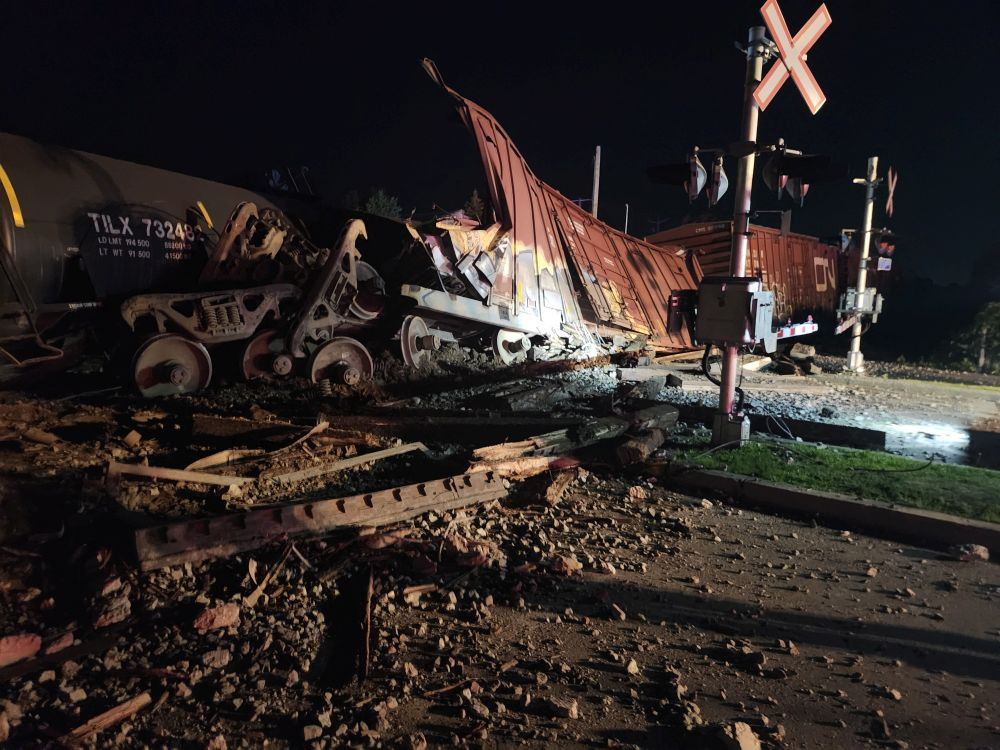
After Lac-Mégantic, Bellefleur co-founded the Coalition of Citizens and Organizations Committed to Rail Safety. He believes Repentigny could have suffered the same fate. “After all, 45 railcars derailed,” he says, including three empty diesel tank cars. Several railcars carrying hazardous materials did not tip over.
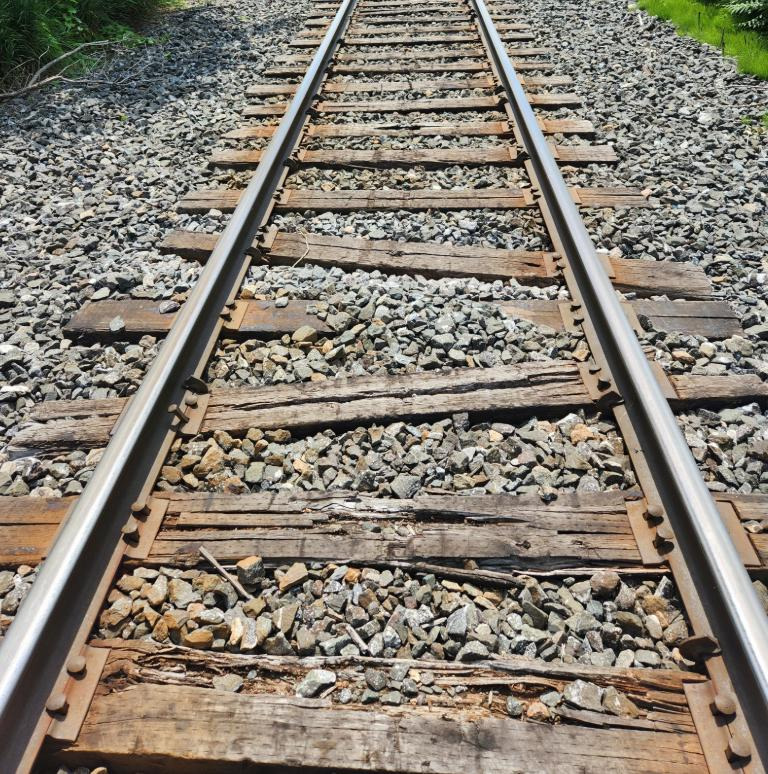
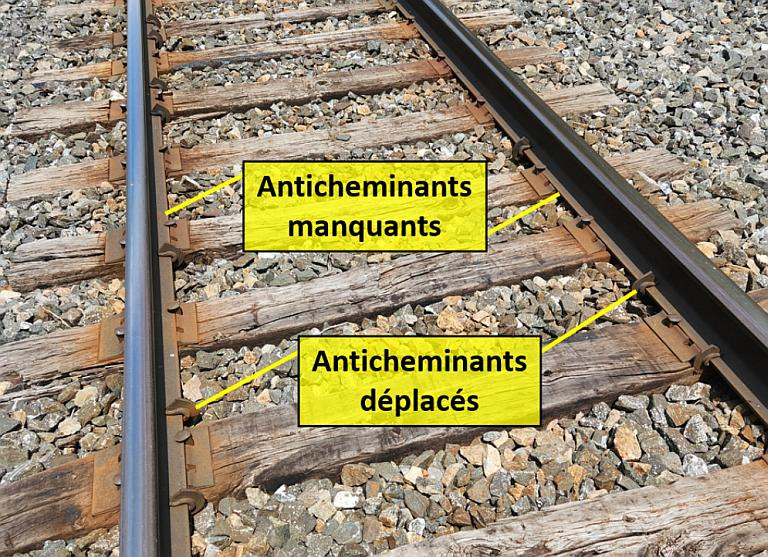
Released on July 16, the Transportation Safety Board’s preliminary investigation reveals several maintenance deficiencies, including missing anti-derailment devices and warped ties. CN, the track owner, instead blames improper application of engineering standards “designed to manage the effects of temperature” and avoids discussing maintenance.
A few days later, it emerged that residents had reported deteriorating rails on this section to CN as early as 2023.
“It’s not hard to imagine that there were major maintenance shortcomings. In Lac-Mégantic, we’re forced to file reports” several times a year. Bellefleur blames, among other things, the deregulation of rail transport over the years.
The companies have “full authority”
Following Mulroney’s deregulation, the government withdrew from the rail industry. CN was privatized in 1995, and a 2001 regulation allowed companies to manage their own safety. Since then, track inspections have become increasingly rare.
The Carney administration’s desire to continue this deregulation does nothing to reassure Bellefleur. “Those regulations are there for a reason. They’ve often been implemented in the wake of disasters.”
When passenger rail travel was more widespread, “railroad companies were required to inspect the tracks on foot. Since deregulation, they’re only required to do so twice a year. But a lot can happen in six months!”
Most inspections are now conducted by truck, travelling at 40 kilometres, to save time. The inspector “can’t see if there are any missing spikes or bolts. All they can see is if there’s a tree or water on the tracks.”
Furthermore, Transport Canada must notify the company if it intends to conduct an inspection. “So, I’ve seen cases where, after we filed a report, a rail company made repairs overnight before the inspection the next morning.”
The inspector must also be accompanied by a company representative. “So, there’s no independence.” Often, when there’s a problem, the speed is reduced, but the companies “drag their feet on the issue and then wait for government subsidies to make repairs. Basically, the companies have full control. They do whatever they want.”
High speed in residential areas
Bellefleur wasn’t surprised by the derailment, but by the fact that trains could travel at 80 kilometres per hour right through a residential neighbourhood, “just a few feet from swimming pools, a bike path, and residents.”
Given the condition of the track in Repentigny, he believes the derailment was “inevitable.”
A speed of 40 kilometres per hour is much more appropriate in a residential area, Bellefleur explains: it reduces the risk of derailment, as well as the risk of diesel tank cars or other explosive materials rupturing.
“As soon as the rails tilt to the side and scrape along the ballast or hit a metal or concrete switch, a tank car tears apart like paper. At 80 kilometres an hour, it has been proven that no tank car can withstand a derailment.”
A systemic problem
“The rail industry is a publicly traded sector,” Bellefleur points out. “These are large corporations that buy shares, then hire managers whom they require to deliver returns of over 15% to 25% each year.” So they cut back “on maintenance, on staff, and on track upkeep.”
As an example, he cites the length of trains. “Not so long ago, trains had a maximum of 100 cars. Now they’ve reached 200 cars. They’ve split one train into two: they’re adding locomotives in the middle to ensure better traction and save on crew costs.”
The government has followed the same logic, he adds, by cutting funding for inspections and maintenance. “Well, then… we’ll let the inspections slide. We’ll let the maintenance slide. We’ll wait until things break before we fix them.”
For Bellefleur, communities shouldn’t wait for this system to change. “What I recommend to the people of Repentigny is that the community take matters into its own hands and demand a speed limit of no more than 40 kilometres per hour in their residential areas. As long as this keeps happening, the risk of disaster will remain just as high. That’s what we did in Mégantic.”
This story is reminiscent of the 2023 train collision in Greece which claimed 57 lives. Greek civil society had denounced the negligence, budget cuts, and privatization of the rail network. The accident became a symbol of the disregard shown by large corporations and the lack of democracy, and sparked one of the largest protest movements in the country’s history.
Be part of the conversation!
Only subscribers can comment. Subscribe to The North Star to join the conversation under our articles with our journalists and fellow community members. If you’re already subscribed, log in.