
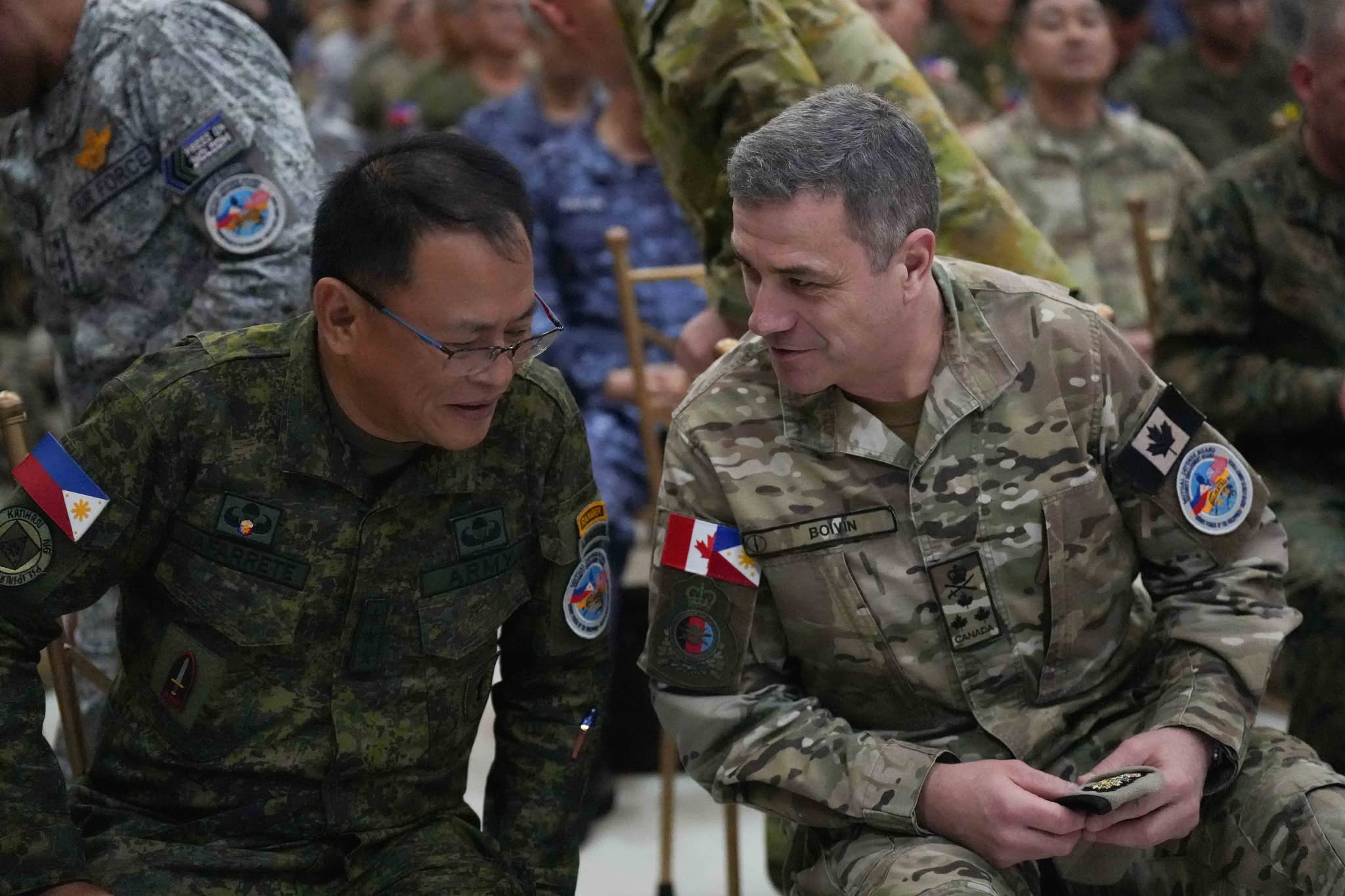
The day after the Philippine army carried out a massacre of peasants and resistance fighters, Canada was training alongside it in one of the world’s largest recurring military exercises. And just two weeks ago, the Carney administration was signing yet two more agreements to strengthen their military cooperation. But why is Ottawa now strengthening its ties with a regime that has been waging a relentless counterinsurgency war for decades?
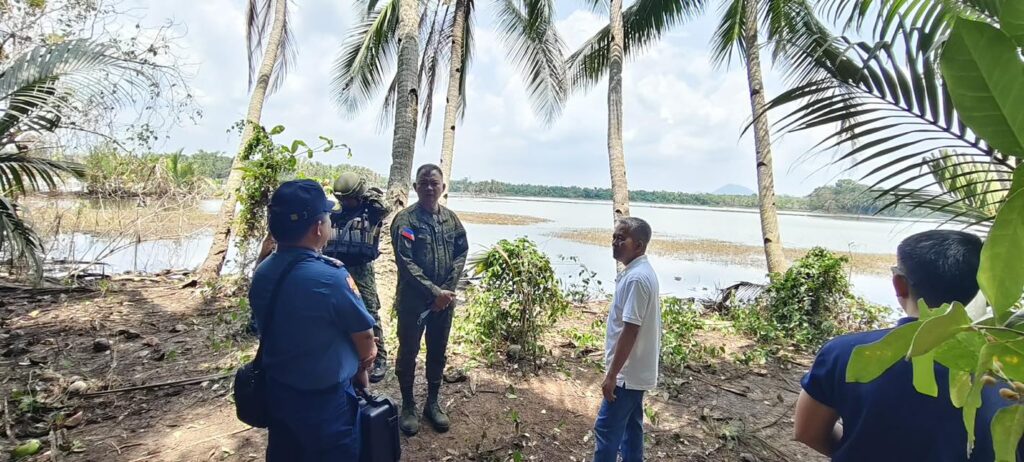
In the small hours of April 19, 2026, gunfire rocked the Municipality of Toboso, Negros island in the Philippines. Hundreds of residents were forced to evacuate their rural homes as the Philippines’ 79th Infantry Battalion stormed the area to rout members of the New People’s Army, the revolutionary guerrillas that have taken up arms against the authoritarian, U.S.-aligned Philippine state. Nineteen people were killed, including several civilians—a product of the indiscriminate application of violence by government armed forces.
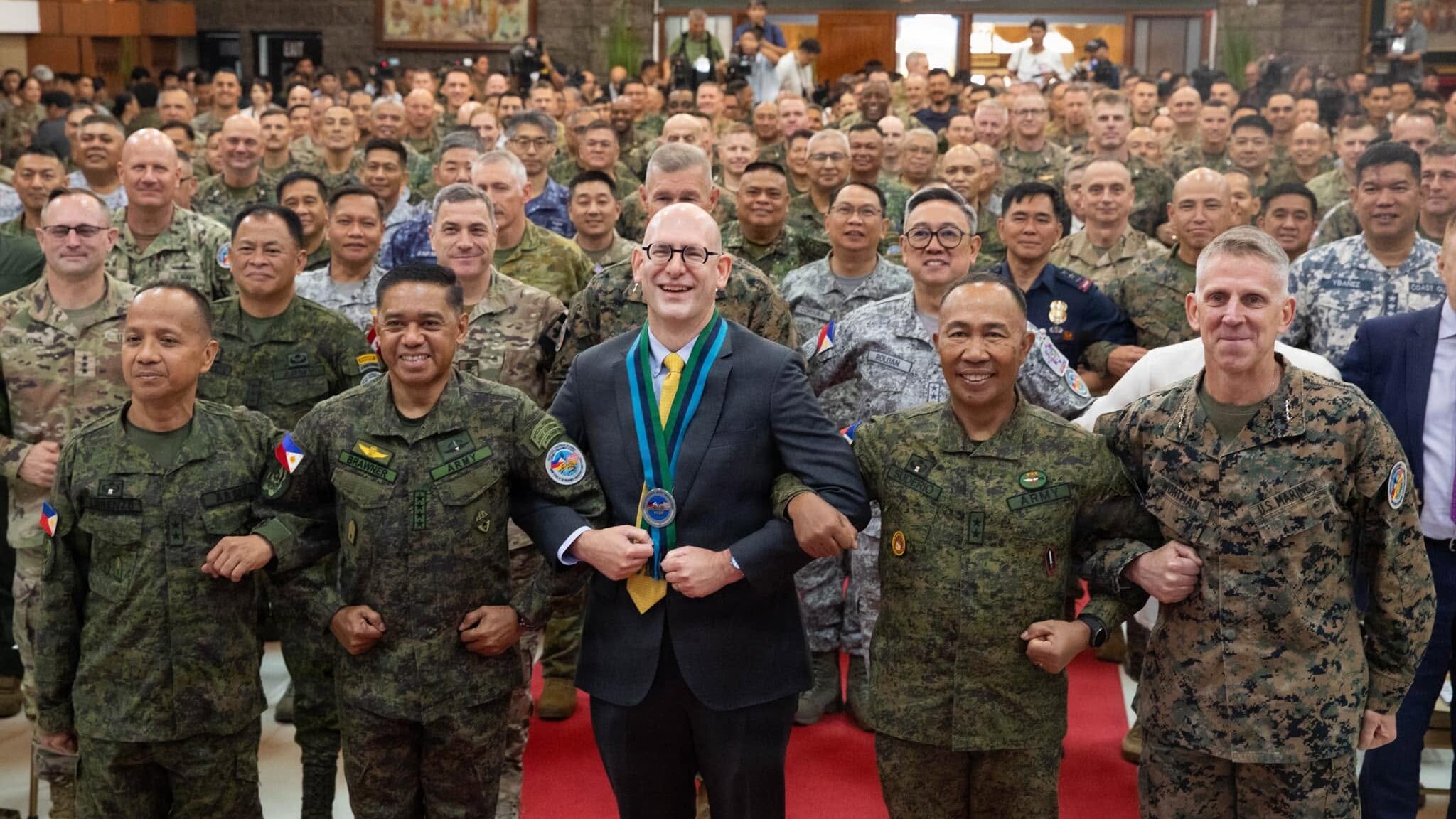
On April 20, the Balikatan 2026 military exercises commenced across the Philippines, its largest instance ever. Participants in the exercise included the Armed Forces of the Philippines (AFP) 9th Infantry Division, elements of its 25th Infantry Division, and forces from the United States, Japan, Australia, and New Zealand. Notably, the Canadian Armed Forces’ 3rd Battalion, Princess Patricia’s Light Infantry made up the contingent of Canada’s first active participants in the annual war games.
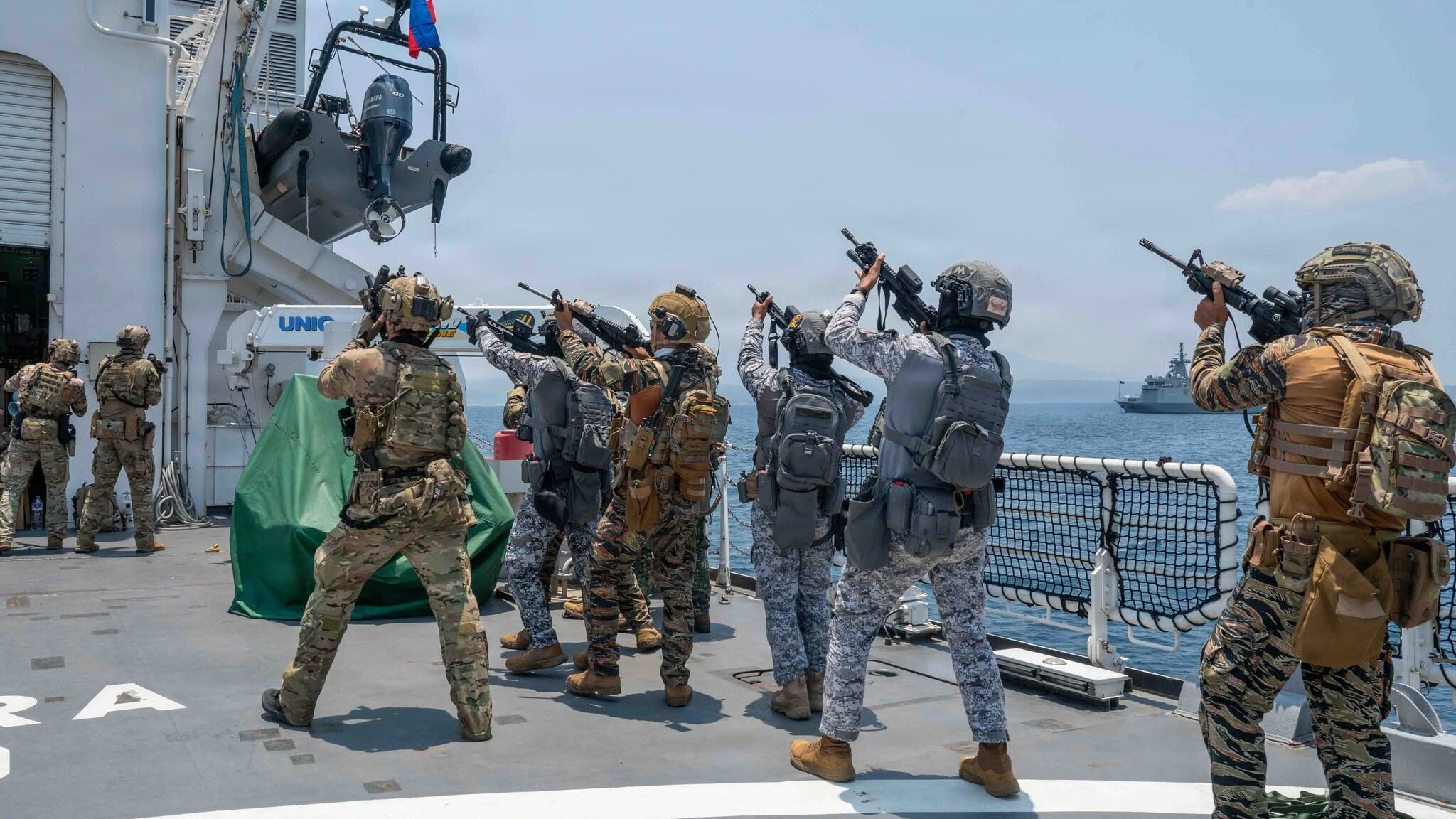
Canada deepens its ties to the Philippines’ military
Earlier this month, Canada’s Department of National Defence signed two defence agreements with its counterpart in the Philippines to amend the 2024 Status of Visiting Forces Agreement (SOVFA) between the two countries to facilitate streamlined joint operations.
The first of the two amendments, the Mutual Logistics Support Arrangement, is intended to allow both militaries to directly acquire and share logistical support such as munitions, supplies, food, and fuel for both joint training exercises and military operations. The second, the Statement of Intent on Strengthening Defence Cooperation, intends to broaden and expand future Canadian-Philippine military cooperation.
“The Philippines is one of Canada’s most important defence partners in the Indo-Pacific region. As a democratic nation, it plays a key role in promoting peace and stability in Southeast Asia and upholding respect for international law,” said Canada’s Minister of Defence David McGuinty at the signing of the SOVFA.
“Continuing to work closely with partners like the Philippines demonstrates Canada’s long-term commitment to support peace, security and stability in the Indo-Pacific.”
Victims ignored to serve geopolitical interests
The North Star spoke with Sarah, a member of the organization Friends of the Filipino People in Struggle (FFPS), a “global alliance supporting the movement for national and social liberation in the Philippines.” She explains that, among the 11 main islands that make up the Philippine archipelago, the island of Negros “in particular has a very long, bloody history of really intense militarization and human rights violations.”
Sarah says that “community researchers, journalists, students, and young activists” regularly travel to Negros to learn about the living conditions of the island’s farmers and residents and to understand their fight. While some of them were there, the Philippine army strafed the area where they were located.
The resulting massacre at the hands of the AFP totalled 19 killed—nine civilians, and ten combatants with the New People’s Army. For Sarah, this massacre hits close to home. “Amongst the nine civilians, two of the people that died, Errol Wendel and Maureen Santuyo, were my guides when I went to the Philippines last summer,” she told The North Star.
“Errol, in particular, I spent a lot of time with in an area called Hacienda Luisita. It’s a huge sugar cane plantation,” recalls Sarah. “He was showing me the real conditions of the farmers, what semi-feudalism looks like in an imperialist world. His death is deeply tragic. The entire movement and the masses in the Philippines are mourning the loss of these incredible activists.”
Others killed in the massacre include community journalist RJ Ledesma and University of the Philippines Diliman student Alyssa Alano. Two Filippino-Americans were also killed, Kai Sorem and Lyle Prijoles.
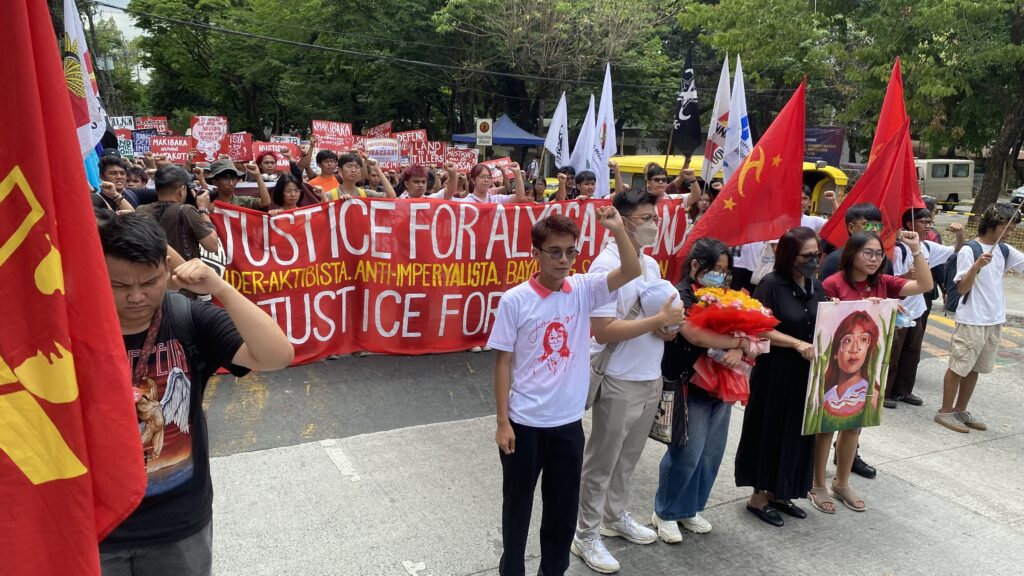
The Balikatan war games began the very next day. And Sarah sees Canada’s participation as part of a larger pattern.
“Historically, it’s just been the U.S. and the Philippines actually engaging in those war games, and [Canada] always had observers.” The April 2026 edition changed that. “Canada has officially joined in,” she says.
For Sarah, that shift is far from symbolic. “Our government is officially sending troops over to help the U.S., the largest imperialist power, as a part of their larger Indo-Pacific strategy.”
Despite the Carney government’s posture of supposed opposition to the United States, Sarah sees the military engagement as Canada signing on to U.S. efforts to contain China‘s economic rise through military threats. And it could well be that rising tensions around Taiwan, Iran and Ukraine pushed the Canadian state to engage even more in an effort that, over the past decade, has increasingly revived fears of a new world war.
Solidarity between the Canadian and Filipino peoples
Her organisation, FFPS, is part of a campaign against furthering Canadian military ties to the Philippines, and has endorsed a petition in Parliament to review and suspend or reject the SOVFA entirely.
Sarah emphasizes the importance of solidarity between Canadian and Filipino workers, “the peasants, the fisher folk, the indigenous people, the workers in the Philippines who are just like everyday Canadians.”
She encourages Canadians to learn about popular struggle in the Philippines. “There’s so much opportunity for people-to-people solidarity. “Exposure trips are also a really great way to learn about the situation in the Philippines and how it’s affecting the different sectors.”
Be part of the conversation!
Only subscribers can comment. Subscribe to The North Star to join the conversation under our articles with our journalists and fellow community members. If you’re already subscribed, log in.