
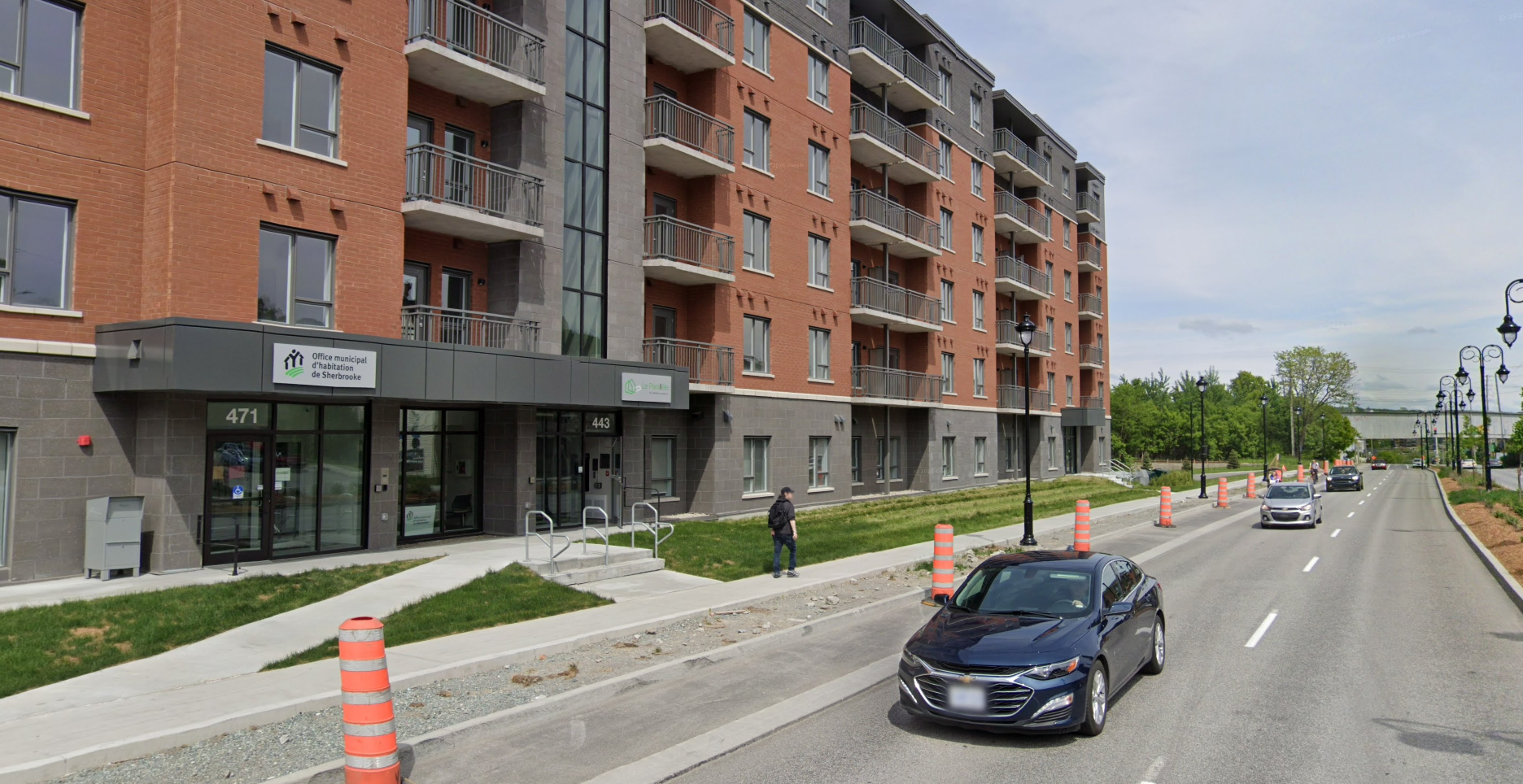
The salary of the official who runs the public housing office in Sherbrooke, Quebec, has more than doubled in four years. That’s four times the region’s median worker income, and more than six times the income cap for accessing the organization’s social housing. Meanwhile, one in five units in the network is in an advanced state of disrepair. Tenants have almost no input, and neither does the community that funds them.
Marie-Claude Bégin, director general of the Office municipal d’habitation de Sherbrooke (OMHS), was making $98,000 a year in 2020. She now makes $214,000. Plenty of trade unionists would dream of landing a raise like that: a 118% jump in four years, as revealed by La Tribune.
The Société d’habitation du Québec (SHQ), which oversees housing offices, sets pay scales for those positions. Going by that scale, Bégin’s salary sits more than $80,000 above the authorized maximum for her position. The SHQ knows about the overage and considers it acceptable. Why? Because Bégin reportedly also took on the interim role of director of client services. It seems unlikely, though, that she put in 70 to 80 hours a week to cover the full workload of both positions.
Bégin reportedly held both roles for close to a year. The director of client services position was eventually filled in September 2024, but only on a temporary basis; the post is vacant again.
Yet the OMHS could clearly use that money elsewhere. In April, La Tribune reported that one in five public housing units in Sherbrooke is in an advanced state of disrepair—228 units spread across 21 buildings. The OMHS’s asset maintenance deficit jumped from $6.6 million in 2023 to $24.5 million in 2025, an increase of roughly 370%. And that’s not counting the housing waitlist, which now stretches to 1,400 households.
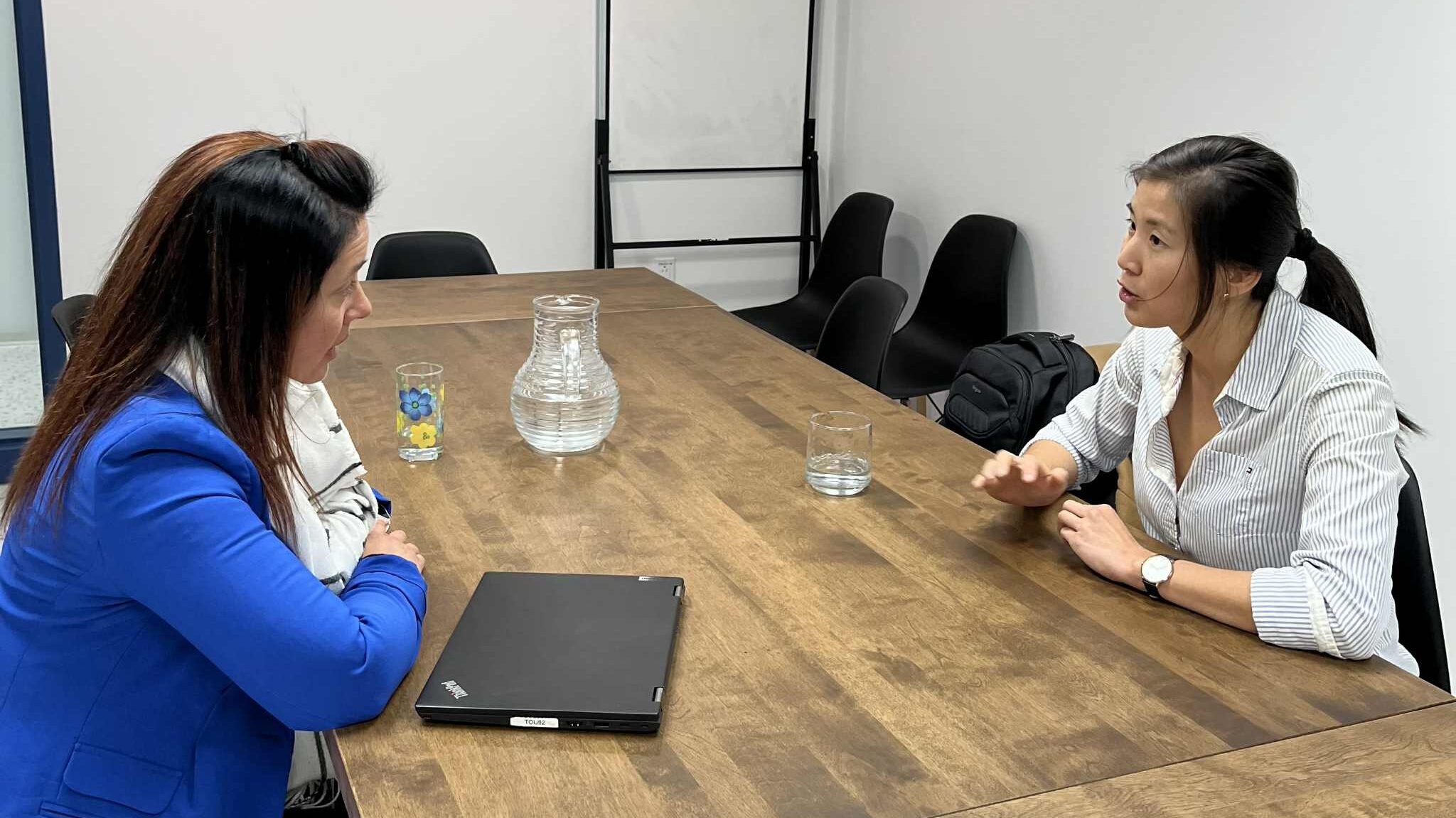
To qualify for low-rent housing through the OMHS, a couple’s or single person’s income can’t exceed $35,500 a year, a sixth of what the organization’s director makes. A median worker in the region earns $57,000 a year before tax, nearly a quarter of what Bégin makes.
The OMHS board of directors, which is supposed to oversee the budget and the director’s work, is made up of seven people: three appointed by the City, two by the Minister of Housing from among “socio-economic groups representative of the territory” (a vague criterion that gives the minister total discretion), and only two tenants elected by their peers. No seat is reserved for an elected representative of local communities. Tenants and the public who fund the organization are therefore a minority on the board, holding less than 30% of the votes.
Board chair Laure Letarte-Lavoie, appointed by City Council, declined to comment on the salary matter, as did Marie-Claude Bégin. The board has set no timeline to look into the issue.
1 Commentaire
[…] Sherbrooke’s public housing crumbles as director’s pay soars […]
Be part of the conversation!
Only subscribers can comment. Subscribe to The North Star to join the conversation under our articles with our journalists and fellow community members. If you’re already subscribed, log in.