
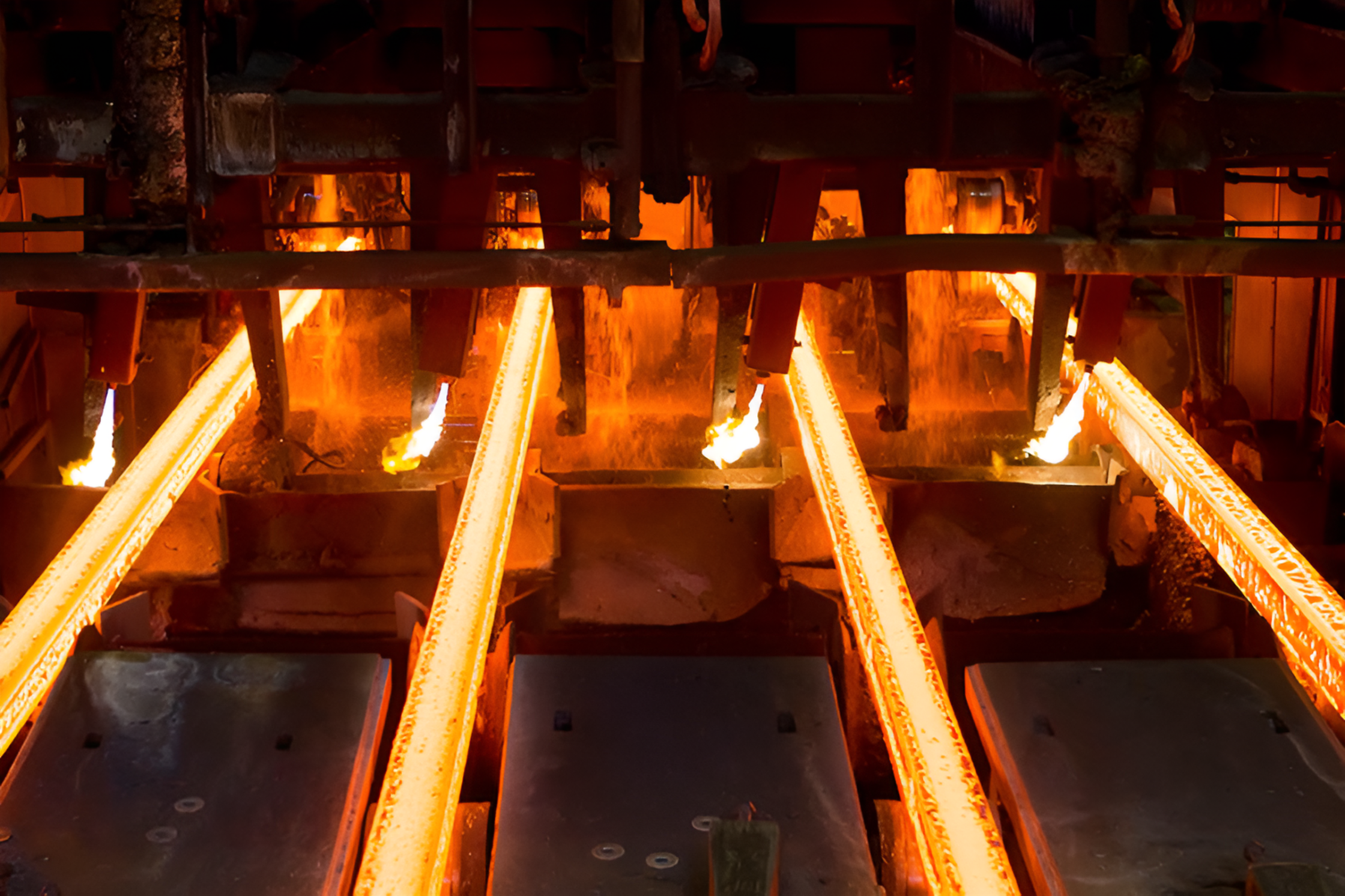
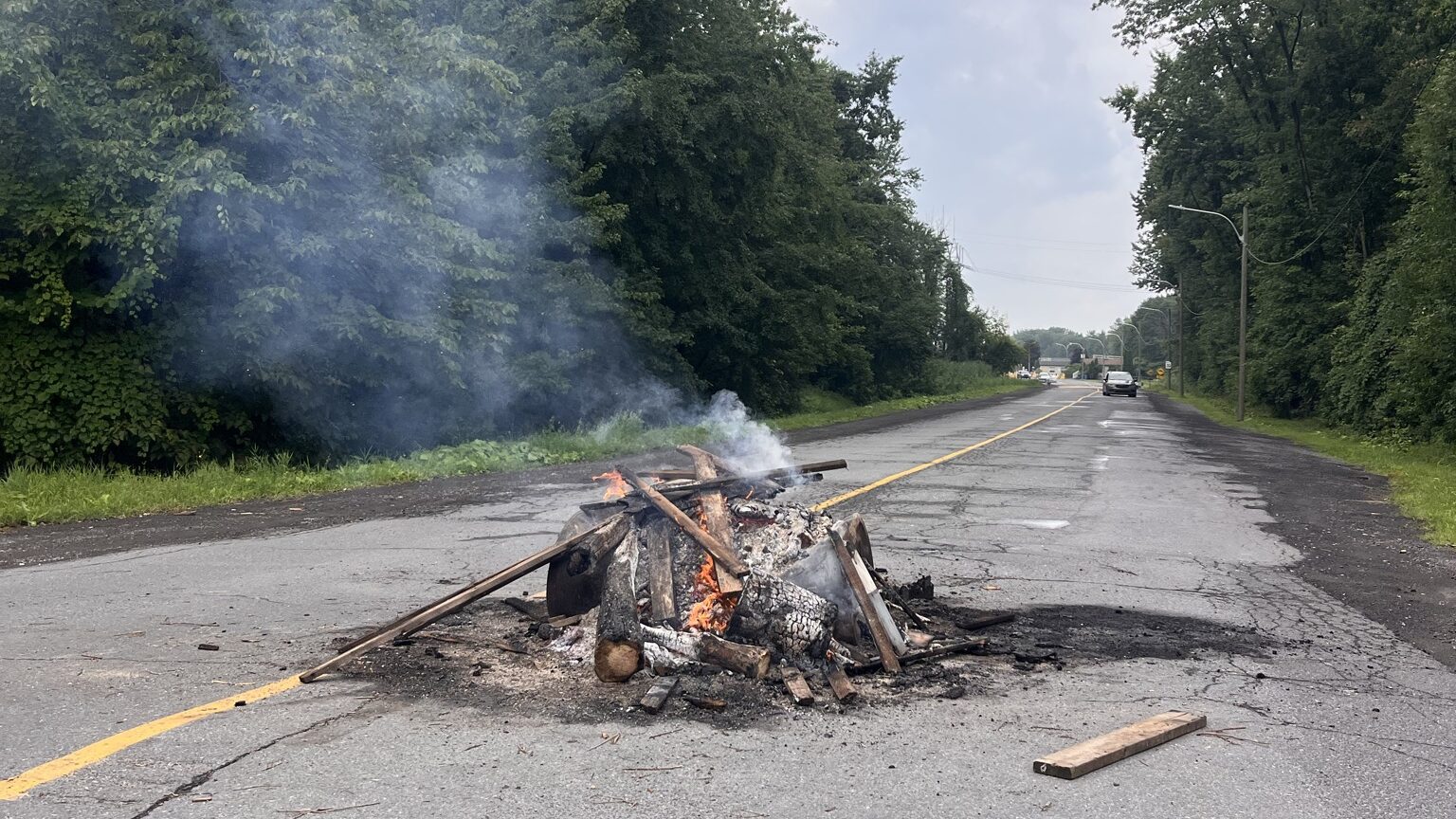
Even with its profits skyrocketing, multinational corporation ArcelorMittal refuses to give workers at its Contrecoeur-Ouest plant an additional $5 per hour, even though they have been hit hard by inflation in recent years. Faced with this stonewalling and difficult working conditions, members of Local 6951 of the United Steelworkers went on strike in early August.
As a result, one of the seven Canadian plants producing rebar for concrete has come to a standstill. Thousands of construction sites across the country could soon be affected, as the company is currently working through its surplus inventory.
Even after months of negotiations, ArcelorMittal refused to meet the Steelworkers’ demands. The company’s latest offer was rejected by nine out of 10 union members. The strike mandate, adopted shortly thereafter, was supported by more than 97% of the members present.
In a press release issued on the very day of the walkout, the local union president, Éric Piette, summed up the sentiment expressed at the meeting: “Wages have fallen way too far behind inflation.”

No raises since 2020
Yves Rolland, union representative for the steel sector at the United Steelworkers, pointed out that there has been no wage adjustment at this plant since 2020. Rolland says the gap to be closed averages five dollars per hour per employee. Meanwhile, cumulative inflation in Canada since 2020 stands at 19.9%, according to Statistics Canada.
Globally, ArcelorMittal’s net income more than doubled in 2025, reaching 3.15 billion U.S. dollars. The company thus pocketed approximately $35,000 per employee last year.
To increase their wages by $5 per hour for one year, workers in Contrecoeur-Ouest would need approximately $3 million in total. But ArcelorMittal chose instead to funnel its profits to its shareholders—it committed to distributing at least half of its available cash to them, notably through an increased dividend and more than $260 million spent on share buybacks last year.
Difficult working conditions
A job in a foundry cannot be compared to an office job paying the same hourly wage, stressed one worker interviewed by The North Star. In fact, the CNESST classifies primary metal processing as Level IV in its workplace classification system—the highest risk level.
Operators there are exposed to the heat of the furnaces and molten metal flows, constant noise levels, as well as risks of burns, splashes, and inhalation of dust or industrial gases. Workers on the picket line have specifically denounced the deplorable condition of the dust collection system in the west plant, which is aging and becoming less and less effective, while repairs are still pending. According to the workers, the system has been obsolete for about 20 years.
Inevitably, some staff must work fixed night shifts or rotating schedules between day, evening, and night shifts to ensure that the furnaces and casting operations continue to run 24 hours a day. This work schedule compounds the physical hazards already present on the factory floor.
The WHO’s International Agency for Research on Cancer has classified night work as “probably carcinogenic to humans” since 2019, and this classification applies equally to fixed schedules and rotating shifts.
Rotating shifts, however, present a unique challenge: unlike a fixed night schedule, to which the body can partially adapt, the repeated alternation between day, evening, and night shifts prevents the body’s internal clock from stabilizing over the long term. A Canadian meta-analysis published in the British Medical Journal in 2012, covering more than 2 million shift workers (including those on rotating schedules), established a link to an increased risk of heart attacks and coronary events.
An office professional earning an equivalent salary does not have to deal with these physical or lifestyle constraints. An ergonomic problem can often be resolved with a few adjustments to the workstation.
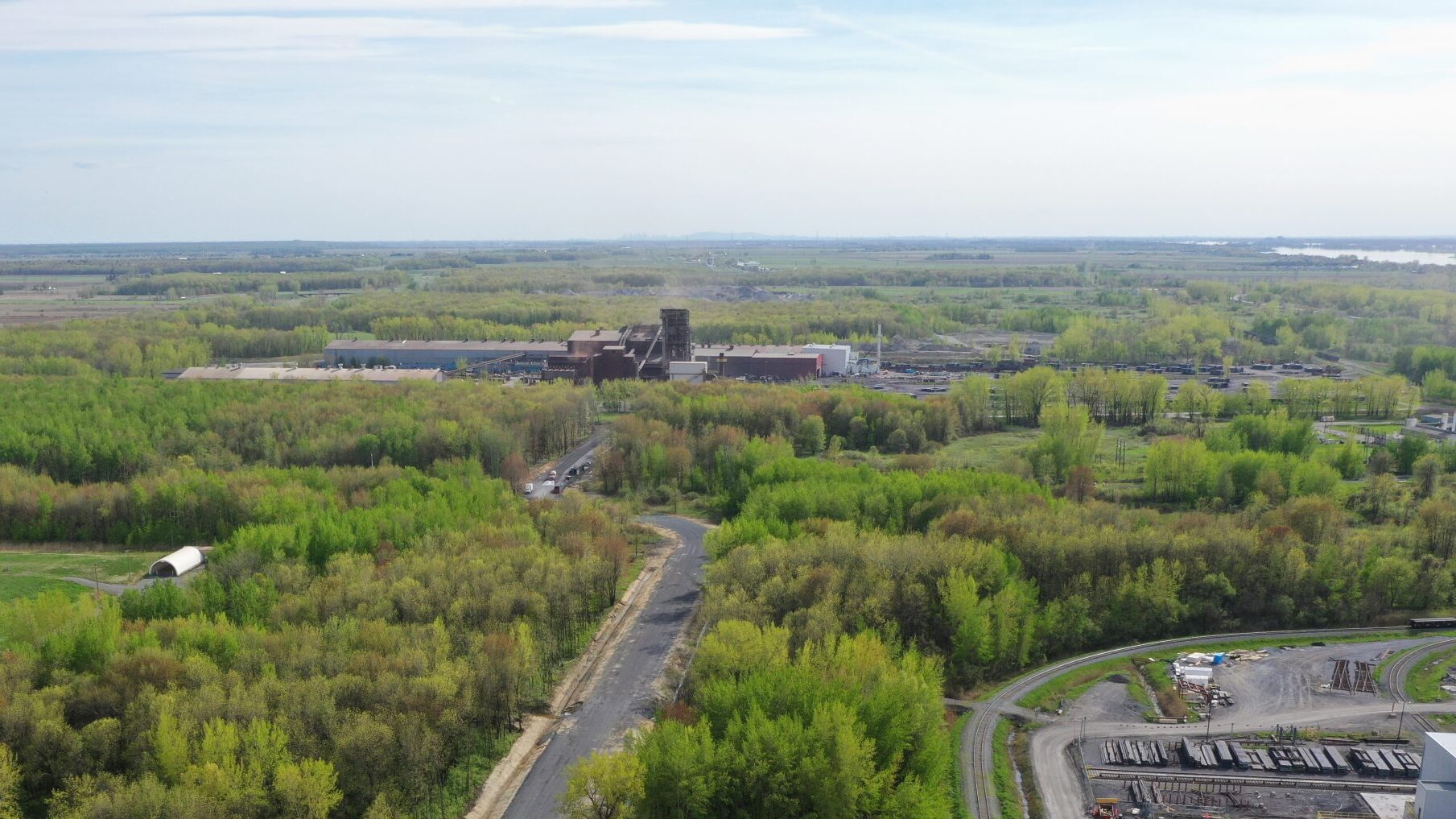
But in foundries, accident prevention can require major investments and repairs, which eat into the profits of the large multinational corporations that often own these plants.
In this gap, between the figure shown on a pay stub and the reality experienced on the factory floor, lies part of what is missing from the public debate on this kind of conflict.
One worker told The North Star that she had narrowly avoided a serious accident a few months earlier, to the point that a coworker remarked that they almost had to “pick her up in pieces.” Another mentioned a coworker who reportedly lost both legs in an accident just a few months before retirement.
Faced with these conditions, the workers interviewed on the picket line seem determined. They say they can hold out for a long time, until the company realizes the profit it is losing without their labour.
“They simply want their work to be recognized for its true value,” insists Yves Rolland.
1 Commentaire
[…] ArcelorMittal denies striking workers a $5/h raise despite 20% inflation […]
Be part of the conversation!
Only subscribers can comment. Subscribe to The North Star to join the conversation under our articles with our journalists and fellow community members. If you’re already subscribed, log in.