
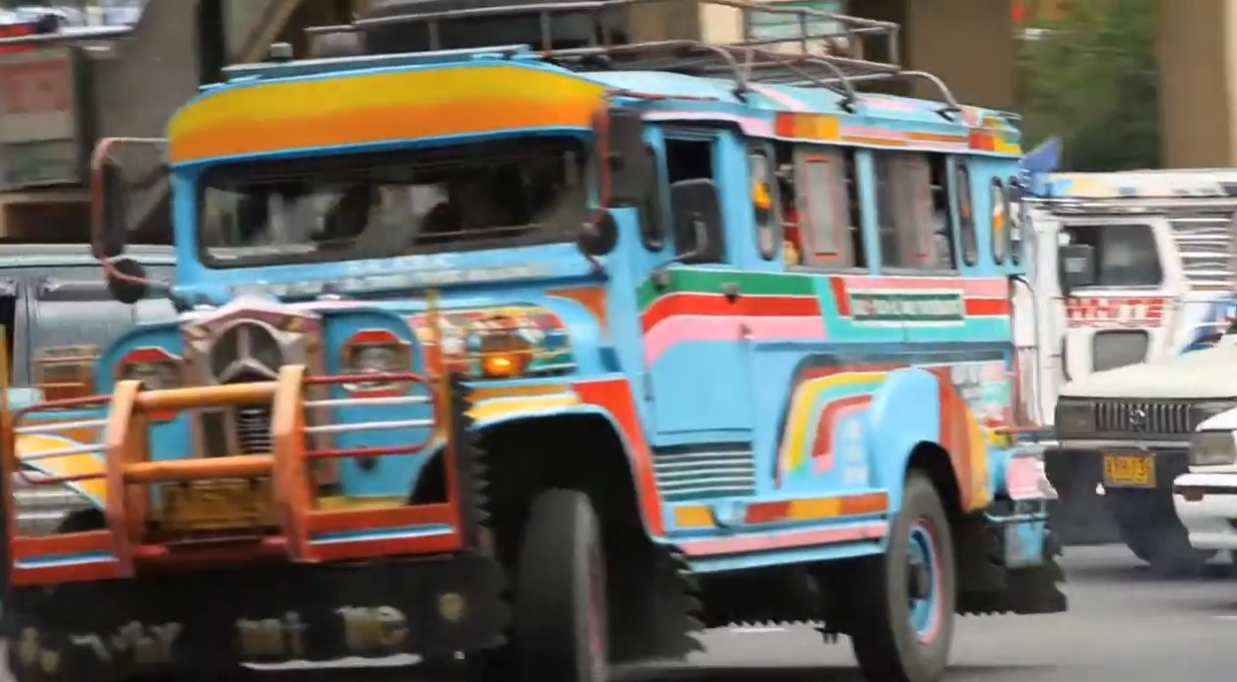
Through a riot of colour and the percussive rhythm of Manila traffic, the documentary film Jeepney by Esy Casey captures a 2013 Philippines which may ring familiar for 2026 audiences. Life-halting hikes to fuel prices caused by imperialist wars lead workers toward struggle against their government and their poor working conditions. And like in 2013, at the end of last September, around 100,000 jeepney drivers and operators went on strike in the Philippines.
The International League of Peoples’ Struggle (ILPS), in collaboration with Migrante and Bayan British-Columbia, marked International Workers Day in Vancouver earlier this year by screening the movie as part of their Revolution Through Film: Anti-Imperialist Film Festival.
The film begins by introducing the jeepney: one of the most affordable and widely used forms of transportation in the Phillipines. These vehicles were originally constructed from jeeps left behind by the American military after US military occupation in WWII. Today, Jeepneys are indigenously produced by using affordable materials like wood, tin, coconut fibre, and second hand diesel engines from Japan.
Affordable materials make for affordable fare, making transportation that works for the majority of Filipinos. Jeepneys are more iconically known for their vibrant and eclectic paintjobs, commissioned by drivers to reflect their interests, and humour: cowboys, anime characters, portraits of the pope – anything goes.
Through interviews with the people who drive, ride, build, fuel, and paint those vehicles, Jeepney acquaints viewers with elements of Filipino history, culture, and economy. The throughline? A Philippines robbed for foreign profit, and Filipinos who know that they are due far more than what they are given.
The movement of 2013
In 2013, Israeli strikes on Gaza catapulted rising fuel costs that hit jeepney drivers hard. Drivers responded with nationwide strikes, shutting down transportation for the majority of Filipinos
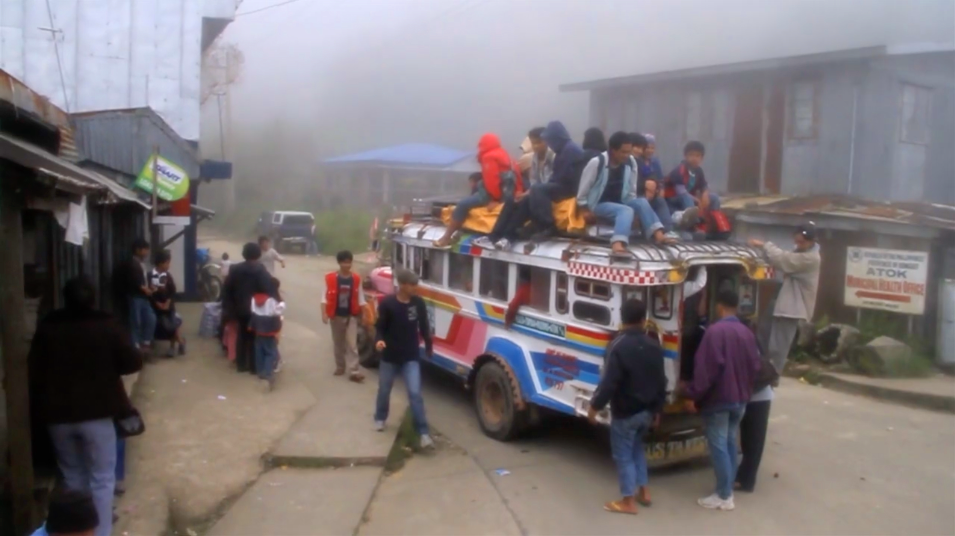
When jeepney drivers go on strike, bigger demonstrations and other transport groups follow. Striking drivers in the film made it clear that they are not afraid of threats from authorities. As the film portrays jeepneys as brimming to the hilt with passengers, the jeepney driver’s movement against fuel cost hikes is similarly popularly supported.
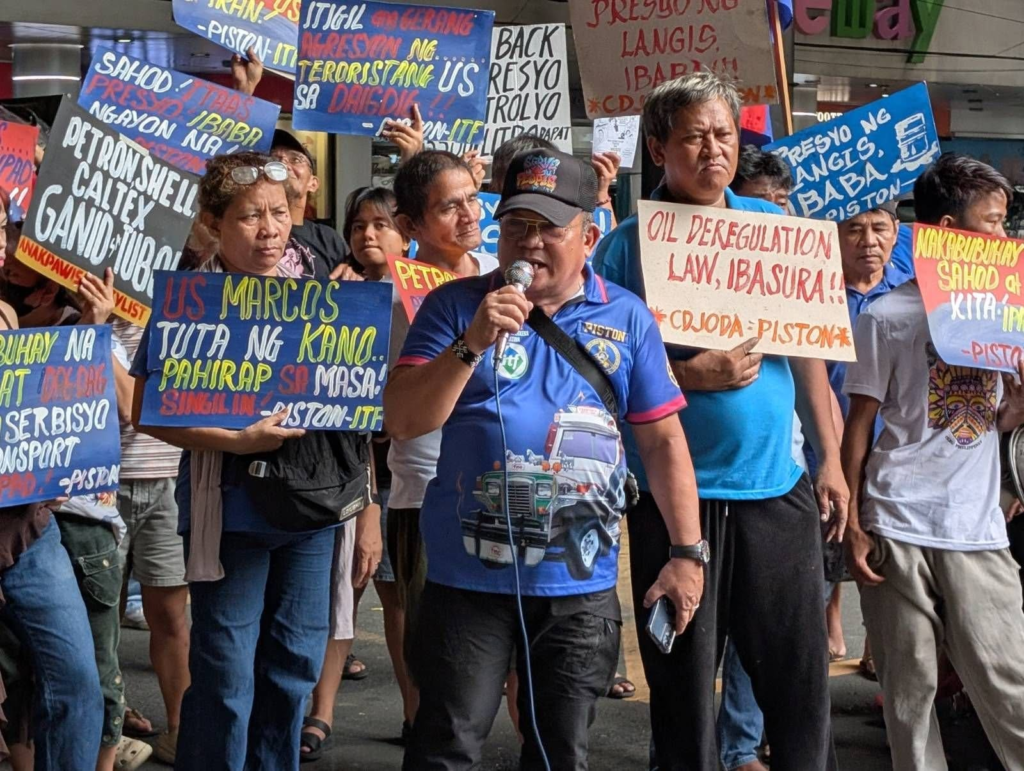
Affiliated with the Philippines trade union centre Kilusang Mayo Uno (May First Movement), the federation of public transit associations PISTON (an acronym which translates literally to Solidarity of Drivers and Operators’ Organizations Nationwide) has been calling for economic relief, demanding that the government lowers oil prices and removes taxes on petroleum products.
By doing so, drivers expose their government’s inability to protect Filipinos from rising cost of fuel, showing their complicity in perpetuating hardship and indignity for Filipinos by helping foreign companies (like the oil magnates that gouge the wages of jeepney drivers) to make profits at the Philippine’s expense.
As providers of mass transportation, Jeepney drivers have the ability to highlight the impact of skyrocketing fuel costs on ordinary people. As the cost of transportation directly impacts the cost of food, medical care, and other necessities, people across the nation are pulled into their struggle.
Thinking the movement today
Today, the US and Israel drive up fuel prices again as they wage war against Iran, passing the cost of imperialist aggression back to workers. Fruitless work days pushed to drivers in 2013, to strike, and it happens again today. Every time drivers suffer under exorbitant fuel price hikes, the jeepney as an affordable mode of transport comes under threat – posing a risk to the workers who rely on them.
Pressure for drivers to emigrate mounts as they look for ways to provide for their families. The government of the Philippines – at the same time – continues to provide transnational corporations with tax breaks and a nation to exploit, rather than protecting people from rapidly inflating costs.
On March 19, 2026, drivers organized by PISTON went on strike to shut the roads down. Then, from September 28, an estimated 70,000-100,000 jeepney drivers and operators went on strike for three days. Their union is currently pushing to repeal the Oil Industry Deregulation Act of 1998, which prevents the government from intervening on the price of fuel and keeps prices strictly set to fluctuating world market prices. They argue it impacts workers and the public the most.
Jeepney’s skillful use of interviews and quick-paced editing techniques effectively conveys the idea that workers who actually serve the public know what truly matters to ordinary people. It is accomplished by listening closely to all those who labour for the colourful Filipino jeep.
Not only does it help us to better understand the struggles of 2013 Phillippines, but also the jeepney revolt that is going on right now in this country.
Be part of the conversation!
Only subscribers can comment. Subscribe to The North Star to join the conversation under our articles with our journalists and fellow community members. If you’re already subscribed, log in.