
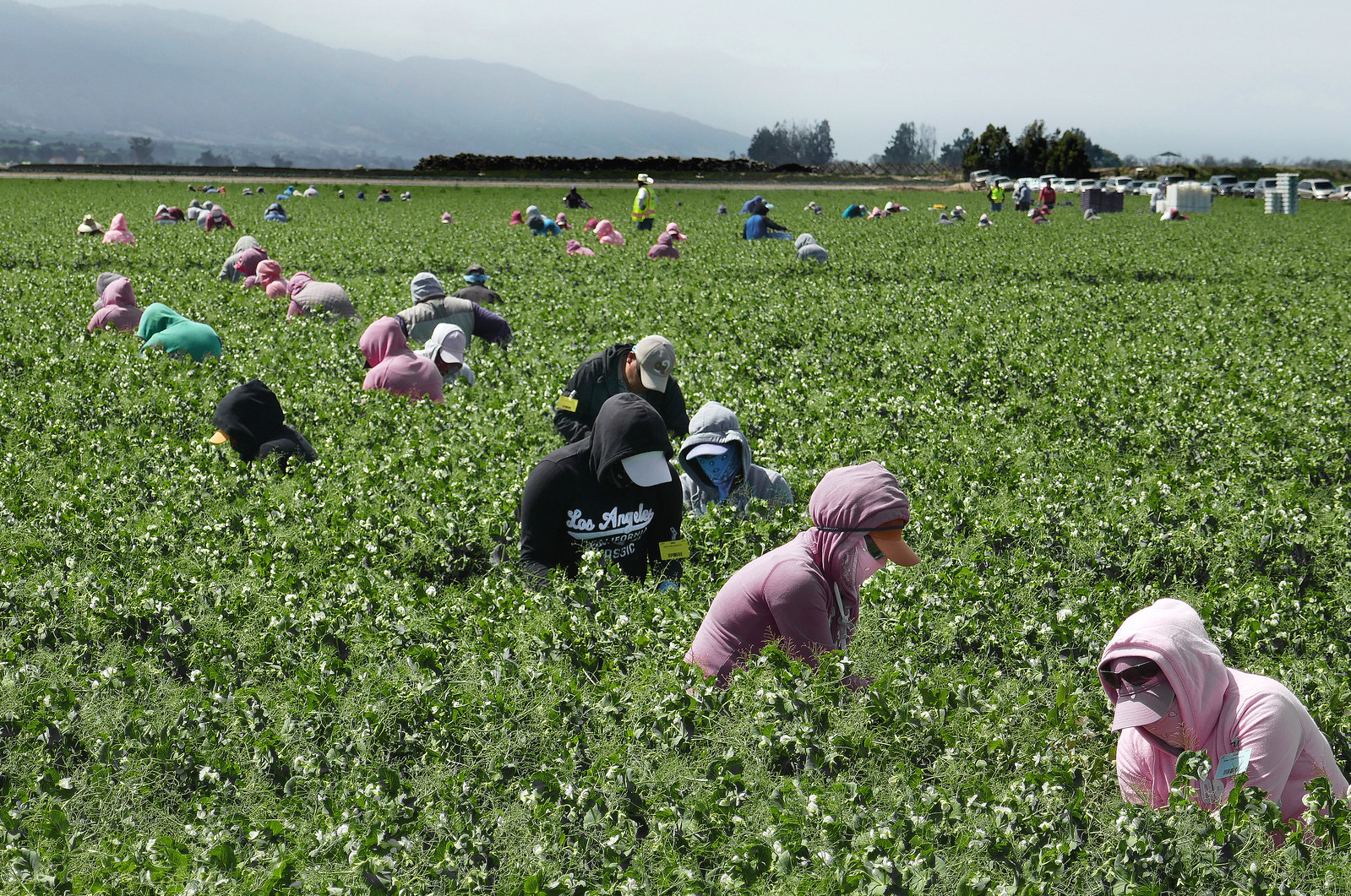
This summer, labourers on British Columbia’s farms have been working under crushing heat and suffocating smoke. These workers, who keep the province’s domestic food industry alive, have been hard hit by the backlash of the wildfires. Many of them, including a large number from Latin America, had to be evacuated and lost their jobs overnight.
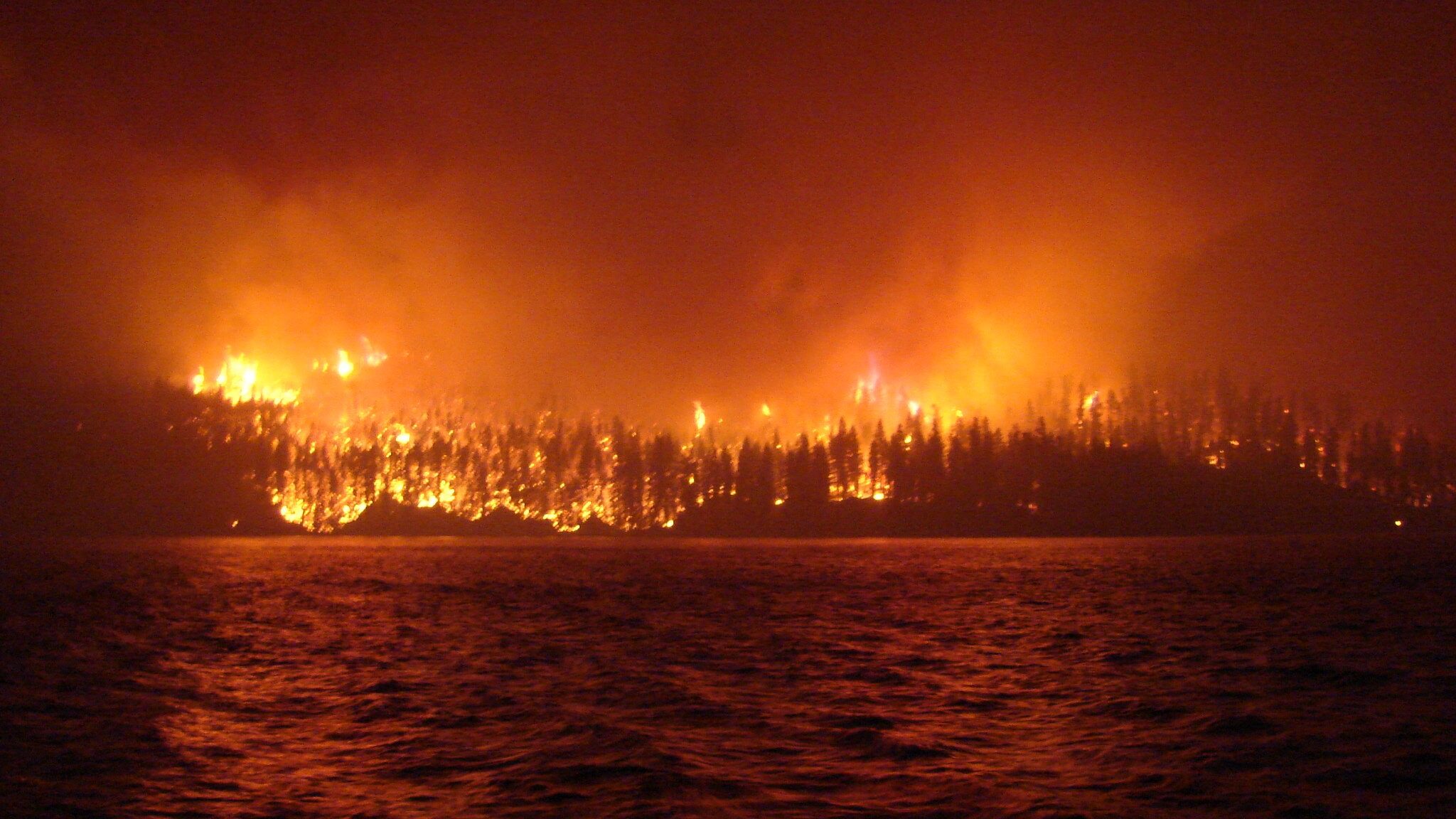
On September 7, the BC Wildfire Service reported over 131 active fires burning across British Columbia. Agains this summer, the wildfires stretched across the province: in the South Okanagan, the Bald Range Fire hit over 13,000 hectares, forcing the evacuation of more than 21,000 residents. The Okanagan Indian Band estimated that at least 230 properties on their land were destroyed by the Bradley Creek Fire.
But in the first few days of the evacuations, the situation was made worse by systemic misinformation over access to disaster support, uncooperative bosses, and a lack of Employment Insurance, plunging migrant farmworkers into extreme precariousness. The North Star spoke to Byron Cruz of Sanctuary Health, a grassroots organization that supports access to health care regardless of status, as he was leaving for the Okanagan.
Closed work permits
Closed work permits, held by most migrant farmworkers in B.C., tie permit holders to their employer, making them dependent. But Cruz said several bosses were uncooperative as grassroots organizers tried to reach migrant farmworkers at the start of the wildfires:
“Workers were left, and employers were not taking any [action]. They were not responding to phone calls. We had to coordinate the emergency number to ask them to get workers from [their workplace], and the employers were supposed to have a protocol in place.”
As migrant workers evacuated, they faced confusion over their right to access shelters. In West Kelowna and Penticton, Cruz says, “Migrant workers were told, ‘Sorry, you are not local. You are a migrant. You have to leave [the shelter] within three days.’”
An expedited state of precarity
While the wildfires posed an immediate danger to migrant workers’ physical wellbeing, employer reactions to water restrictions had already threatened their livelihoods much earlier. Cruz notes:
“The factors [affecting how long the workers stay are] the fires, another factor is the smoke, another factor is the water restrictions. The water restrictions mean that many farms are not allowed to use the normal amount of water that they need for the plantations. And this year, this is affecting production.”
Cruz explains that workers from Mexico and Guatemala have been sent home early, with over 70% of farmworkers from the Okanagan already back home despite having time left on their closed work permits. Hugo Velazquez, Director of Family and Settlement Programs at MOSAIC and primary coordinator of the Migrant Worker Wildfire Task Force in BC, says most migrant workers live day to day. They send nearly all their earnings back home as remittances, so the early end of a contract strips an entire family of its income.
“Once you’re in the shelter, you have very little money to do anything. You can’t send money back home and you’re given food by the food banks and clothes but that’s it. Your source of income is not there and you have to start making tough decisions. Consulates are trying to transfer them to the Lower Mainland, where they could probably continue working, but if that’s not happening, then they have to go back. The income of the whole family, dependent on those few months, will be shattered.”
Deadly health impacts
Farmworkers who spend their days outdoors during the summer are also breathing hazardous (and potentially deadly) air pollution from the wildfire smoke blanketing much of the province’s interior.
Fine particulate matter (PM2.5) can be incredibly damaging to the respiratory and cardiovascular systems of agricultural workers doing intense physical labour outdoors during wildfire season. Acute or prolonged exposure to high levels of PM2.5 from wildfire smoke is estimated to cause thousands of premature deaths every year in Canada.
Satellite imaging and measurement stations across southeastern B.C. show PM2.5 concentrations averaging more than ten times the World Health Organization’s recommended threshold. In towns like Osoyoos, Cache Creek, and Merritt, concentrations exceed twenty times the threshold of 15 micrograms per cubic metre.
Global studies also show that injury rates rise with wildfire smoke pollution because of decreased visibility and cognitive impairment. With recent PM2.5 levels, the likelihood of workplace injuries is 15-30% higher than normal.
Currently, B.C. has no mandatory air quality thresholds that would require bosses to stop work or provide respirators. In theory, workers have the right to refuse unsafe work, but many migrant workers face difficult hurdles to overcome: language barriers, geographic isolation, and fear that employer retaliation could lead to their deportation. And without official limits, it is hard to prove the smoke constitutes an “undue hazard.”
No access to Employment Insurance
Most migrant workers lack access to Employment Insurance or guaranteed compensation for the wages they have lost. This can be because of closed work permits, or because they do not have access to the documents necessary to get immediate help. Employers are not obligated to provide compensation either; whether workers receive anything or not is their call.
Velazquez observes that to access EI, a worker “would have to register online with Service Canada, get a code, and then justify why [they’re] requesting [EI]… By the time [they’re] deemed eligible, a month has gone by and they’ve been in a shelter without any income.”
Velazquez thinks there should be an expedited path to Employment Insurance for migrant farmworkers, given their critical role in the province’s agricultural industry.
“There’s no way the $15 billion agriculture industry in B.C. would sustain itself [under current conditions] without foreign labour. It’s just not going to happen.”
Be part of the conversation!
Only subscribers can comment. Subscribe to The North Star to join the conversation under our articles with our journalists and fellow community members. If you’re already subscribed, log in.