
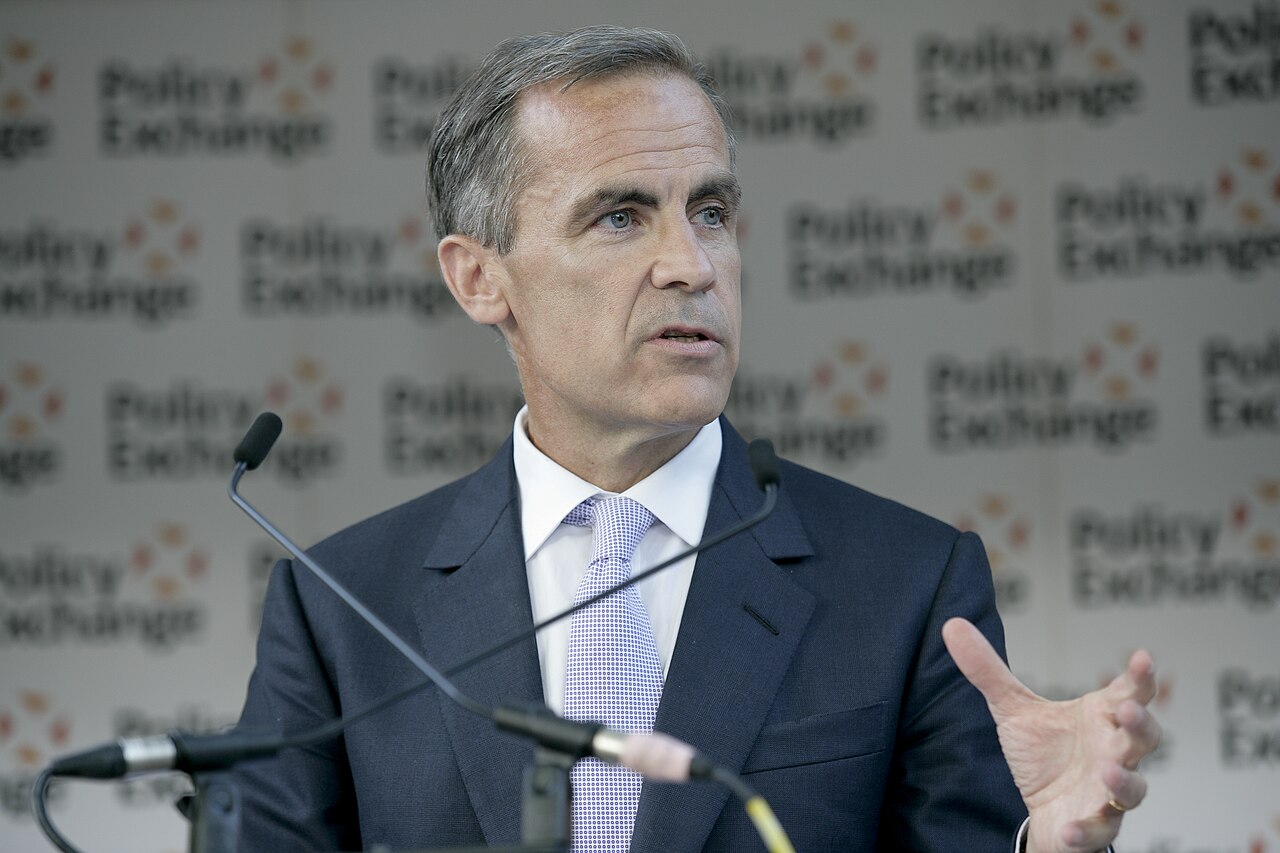
The telecommunications giant Quebecor wants to acquire another giant, Telus, for $31 billion. When asked to comment on the offer, Prime Minister Carney stated that, sometimes, fewer companies mean more competition. However, this contradicts Canada’s economic reality.
Mark Carney, who was travelling in Asia to sign economic agreements, effectively argued on November 18 that “The form of oligopoly can lead to more competition with fewer players, under certain circumstances.” In his view, the transaction proposed by Quebecor would be beneficial if it resulted in “more competition, lower prices, better service.”
For now, the offer has not been discussed by Telus’s board of directors. If it were to be accepted, Canada would have only three major companies in the telecommunications market: Bell, Rogers and Quebecor.
The merger would allow Quebecor, the fourth-largest company, to consolidate its presence outside Quebec. This is currently limited to Freedom Mobile users, which it acquired for $2.85 billion in 2024.
Is Quebecor motivated by the consumers’ well-being ?
Like Carney, Quebecor suggests in a press release that fewer players in the market could lower cell service prices.
However, several studies reviewed by The North Star indicate that Quebec tends to offer slightly better service than the rest of Canada, as it has four major companies instead of three. A similar phenomenon occurs in Saskatchewan due to the presence of the provincial company SaskTel.
Increasing the number of competing companies is, in fact, the Canadian government’s official strategy. “Competition as a driver of affordability” is the first pillar of its telecommunications plan.
While it is doubtful that prices would fall if Telus were acquired, it is clear that Quebecor’s profits would increase. The company estimates that its merger with Telus would generate $395 million in additional annual profits thanks to “operational synergies” and “capital efficiency.”
A lackluster offer
The past few decades, with a market dominated by a small number of giants, have been rather terrible for consumers. The cost of cellular data in Canada is among the highest in the world. According to data from the Hellosafe website, only nine countries have less affordable rates.
In many rural areas of Canada, internet and cell service is inadequate and depends on a single provider. In the Canadian territories, only 15% of residents consider their cell service to be adequate.
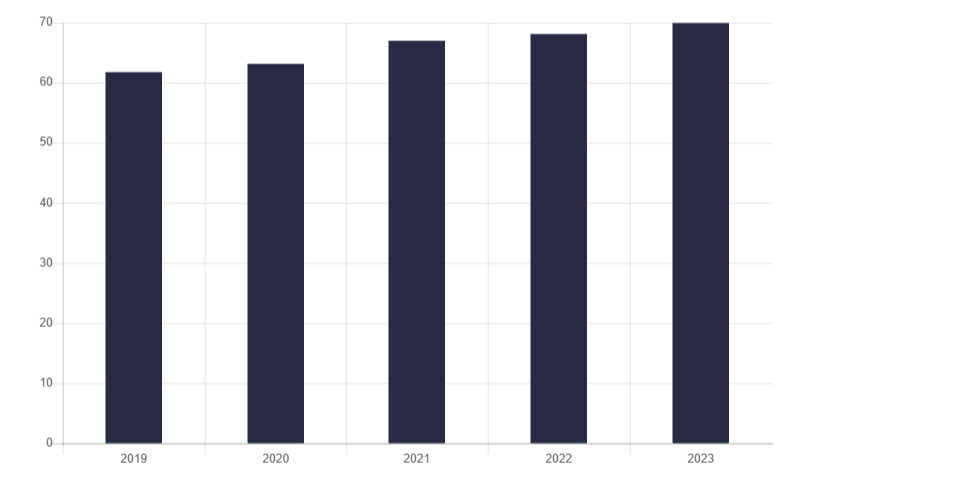
The Canadian telecommunications market generates more than 60 billion in revenue annually. Consumer spending has been steadily increasing over the years, ensuring ever-greater profits for companies.
A country of cartels
Telephone and internet services are not the only Canadian industries where a small group of companies dominates the market. On the contrary, monopolies and cartels are part of Canada’s DNA.
For example, the two companies that share Canada’s railways — Canadian Pacific and Canadian National — were formed with the help of federal authorities. However, this oligopoly does not seem to follow Carney’s economic principles, since passengers must pay at least $60 (before taxes) for the Montreal–Toronto route.
The Canadian food industry is also controlled by a series of oligopolies. Five companies share more than three-quarters of the grocery market. The aviation industry, for its part, is dominated by four airlines, including Air Canada and Air Transat, which have benefited from numerous government handouts.
Recently, analysts at the Bank of Canada have even gone so far as to find theoretical justifications for the dominance of cartels over the economy. In their article “Markups and Inflation in Oligopolistic Markets,” the four researchers explain in detail how control of an industry by a handful of companies could protect consumers from inflation.
The authors seriously argue that, since prices are set by the cartel, they are less subject to price fluctuations. These more-or-less legal price-fixing agreements are referred to as “strategic complementarity” and are portrayed in a positive light throughout the article.
Mark Carney served as Governor of the Bank of Canada from 2008 to 2013. At the time, he was not concerned about the cost of basic necessities. Toward the end of his term, he stated that “When commodity prices rise, all provinces benefit.”
Be part of the conversation!
Only subscribers can comment. Subscribe to The North Star to join the conversation under our articles with our journalists and fellow community members. If you’re already subscribed, log in.