
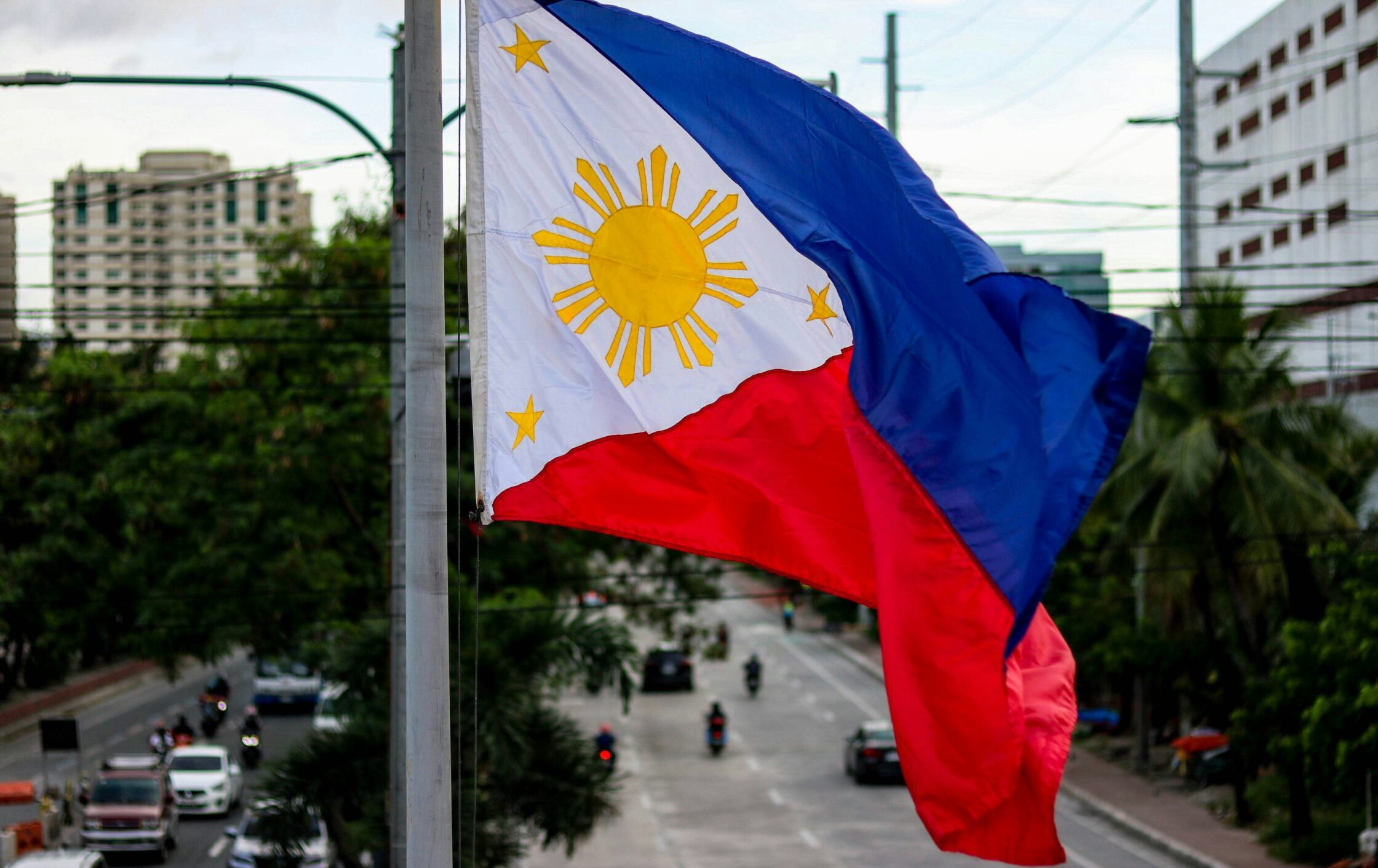
Canada concluded negotiations for two Free Trade Agreements with the Philippines and the Association of Southeast Asian Nations (ASEAN) during Mark Carney’s visit to Manila. The Canada-ASEAN Business Council hosted a government-sponsored forum that same day, where Canadian politicians, lobbyists and executives gathered to make deals with local bureaucrats.
The 49th ASEAN summit is taking place from Nov. 15 -18 in Manila, as Southeast Asia faces an agricultural crisis due to fuel shortages and a surge in extreme weather. The Marcos administration spent PHP 22.9 billion (CAD $500 million) to host the summit and “boost the Philippines’ global image.” Opposition against the ASEAN Summit and the Marcos rule has spread across the country, with over 300 protesters arrested by police since November 15.
Along with US president Donald Trump and other world and global organization leaders, Carney was invited to the summit as a guest of the chair, Philippines President “Bong Bong” Marcos Jr. The two Free Trade Agreements announced by Carney will open the doors wider to corporate profiteering across Canada and Southeast Asia.
The Canada-ASEAN Business Forum, organized by the Canada-ASEAN Business Council in collaboration with the Canadian government and the Asia Pacific Foundation of Canada, was held on Nov. 15 in Manila as Carney was visiting and the police were conducting mass arrests.
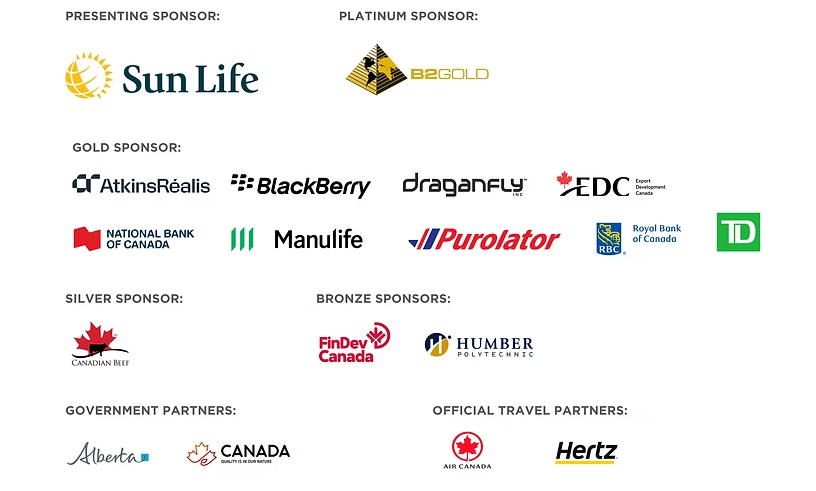
The forum brought government ministers, lobbyists and corporate executives together from Canada and Southeast Asia to discuss “the next wave of commercial opportunity.” Some notable Canadian attendees included in the event’s agenda were cabinet minister Richie Valdez and executives from Sunlife, Manulife, B2Gold, Purolator, and Draganfly.
The summit and Trump’s Pax Silica initiative, that seeks to establish a US-owned AI and critical minerals industrial hub on Philippine soil, has been met by mass protests in the Philippines. This project is part of the Luzon Economic Corridor that Canada is invested in. Local progressive organizations and international groups have jointly condemned the Philippines National Police’s brutal treatment and mass arrests of protesters on the summit’s opening day.
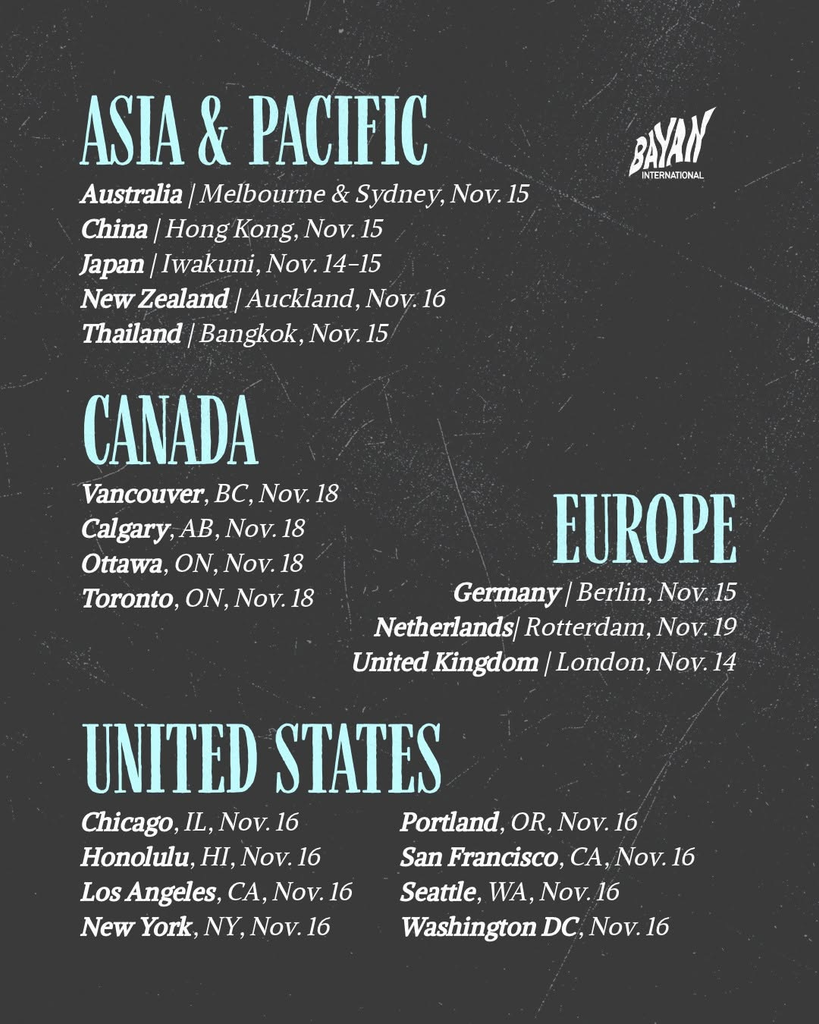
Protests around the world against the ASEAN summit and Pax Silica are being coordinated by BAYAN International, an alliance of Filipino diaspora organizations, including in four major Canadian cities.

ASEAN and the Free Trade Agreements
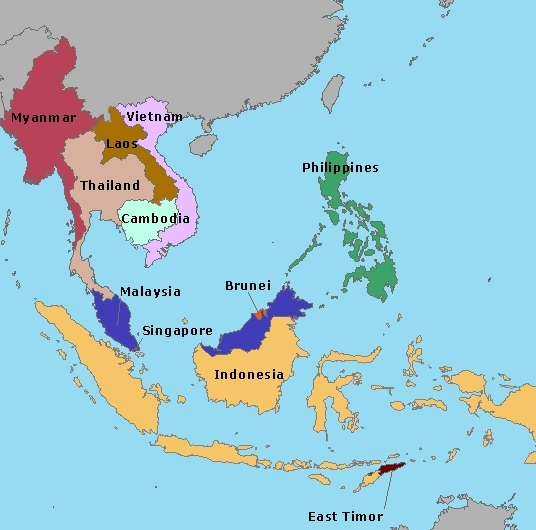
ASEAN is an intergovernmental forum of 11 Southeast Asian countries. Founded in 1967 with help of the United States to prevent the spread of communism in the region, it covers territories home to more than 700 million people.
The ASEAN-Canada Free Trade Agreement (ACAFTA) has been under negotiation since 2021. When finalized, it is expected to increase opportunities for Canadian multinational corporations in the energy, mining, agriculture, finance and infrastructure sectors to access South Asian markets, which are collectively worth about CAD $6 trillion.
Carney’s discussions with Marcos Jr. reportedly advanced a deal, building on Marcos’ controversial visit to Canada earlier this year, to increase Canada’s military cooperation with the Philippines’ military. The two leaders also concluded negotiations for a Canada-Philippines Free Trade Agreement. The PM’s statement has said that the agreement with the Philippines will triple Canadian exports and give Canadian corporations the access to “compete and win” in the Philippines’ market.
“[These partnerships] are intended to further entrench the Philippines into economic dependence on Canada and create opportunities for Canadian corporations to profit off of the natural resources of the Philippines,” commented Bayan BC, the local chapter of BAYAN International in B.C.
Taking Advantage of Food and Fuel Shortages
Canada’s agri-food, energy, infrastructure, and investment sectors are expected to make the most profits within the new ACAFTA as a result of increased insecurity in the region. US-led wars and the Trump government’s moves towards protectionist tariffs have caused significant disruptions to regional supply chains and the Canadian elite are swooping in to fill the vacuum and take advantage of inflated prices for its main exports.
Southeast Asia is suffering from droughts, wildfires and extreme heat due to an intense El Niño – a natural climate pattern marked by the unusual increase of the ocean surface temperatures in the central and eastern Pacific – that has intensified by current global warming.
Earlier this year, wildfires destroyed forests and farmers’ crops in Indonesia. The flames produced toxic haze that damaged ecosystems as far away as Singapore and Malaysia. Droughts are threatening the Mekong river basin, a critical fresh water source that has been feeding nearly 65 million people in six countries. Regional heat waves over the summer resulted in reduced crop yields and livestock production across the board.
Four Southeast Asian countries are among the world’s ten biggest rice importers: Indonesia, the Philippines, Vietnam and Malaysia. ASEAN also has four out of ten of the top rice exporters: Thailand, Vietnam, Cambodia and Myanmar, who all rely on imported fertilizer to grow crops.
Fuel and fertilizer shortages caused by the US war on Iran, combined with the extreme weather, are devastating workers and peasant farmers in the Philippines and across Southeast Asia who have borne the brunt of the skyrocketing cost of food and other necessities.
In a 2026 survey by Southeast Asia General Climate Outlook, Southeast Asian respondents have named unemployment and economic recession, climate change and extreme weather events and domestic political stability as their top three concerns.
Filipino respondents, particularly, expressed the highest concern over food availability and affordability (47 per cent). Ninety-three per cent of them saw climate change as an immediate threat or an important issue that deserved to be monitored.
Be part of the conversation!
Only subscribers can comment. Subscribe to The North Star to join the conversation under our articles with our journalists and fellow community members. If you’re already subscribed, log in.