
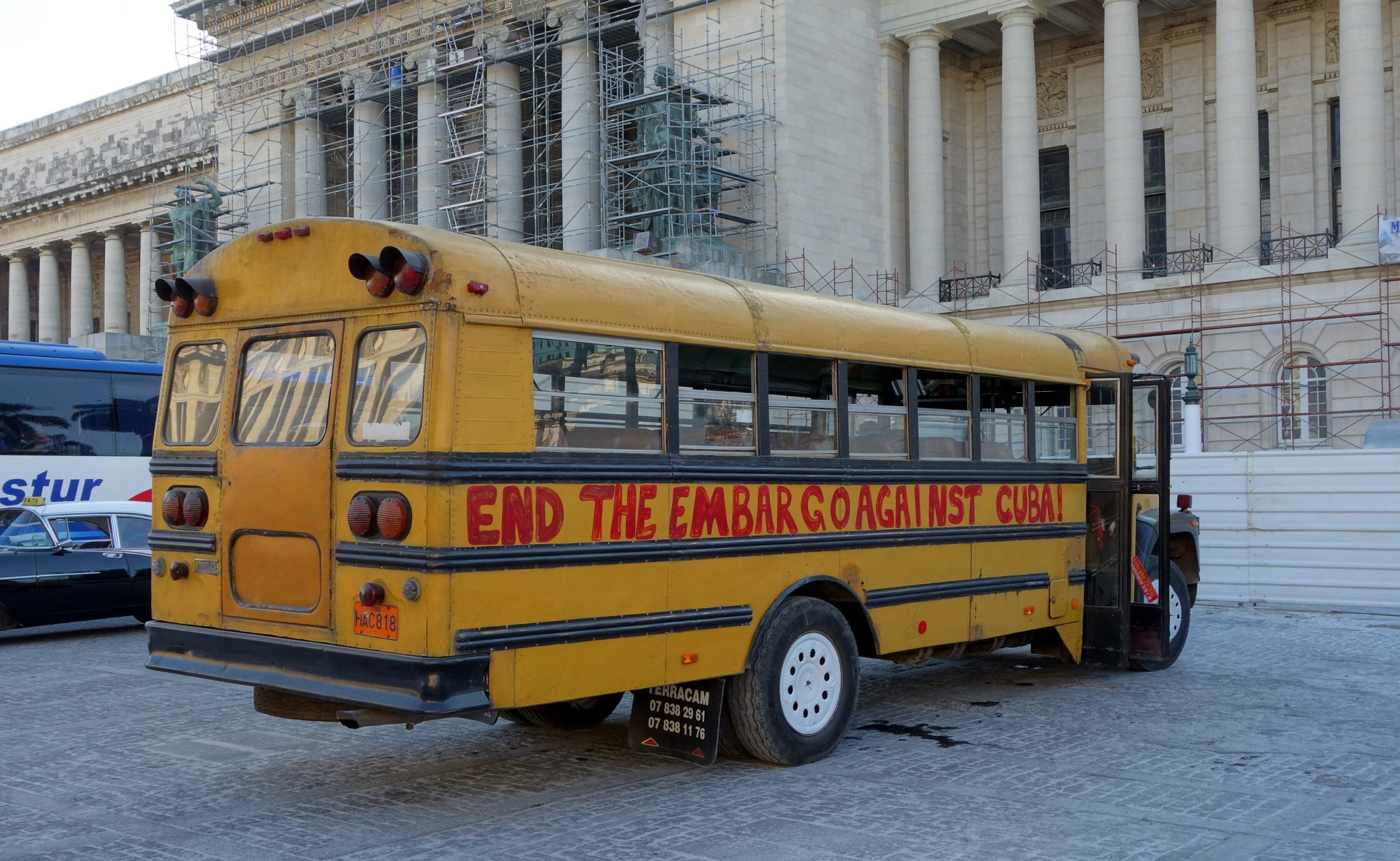
Since January, the United States has been escalating oppressive economic sanctions in an attempt to strike down Cuba’s seven decades of independence from American imperialism. Solidarity activists are urging for more material and moral support.
The Trump administration issued an executive order in January to impose a blockade on Cuba’s oil imports in late January, right after the invasion of Venezuela and the illegal abduction of Venezuelan president Nicolás Maduro, which cut off the main fuel supplier to Cuba. The oil siege started a months-long struggle to avoid total economic and governmental collapse.
In a report released on July 20, the White House justifies the 2026 escalating sanctions as measures to protect the U.S.’s national security from Cuban spread of “leftist terrorism.” Cuba had already approved of an economic reforms plan in response to the U.S. aggression but to no avail, the U.S. has not relieved the pressures on the island.
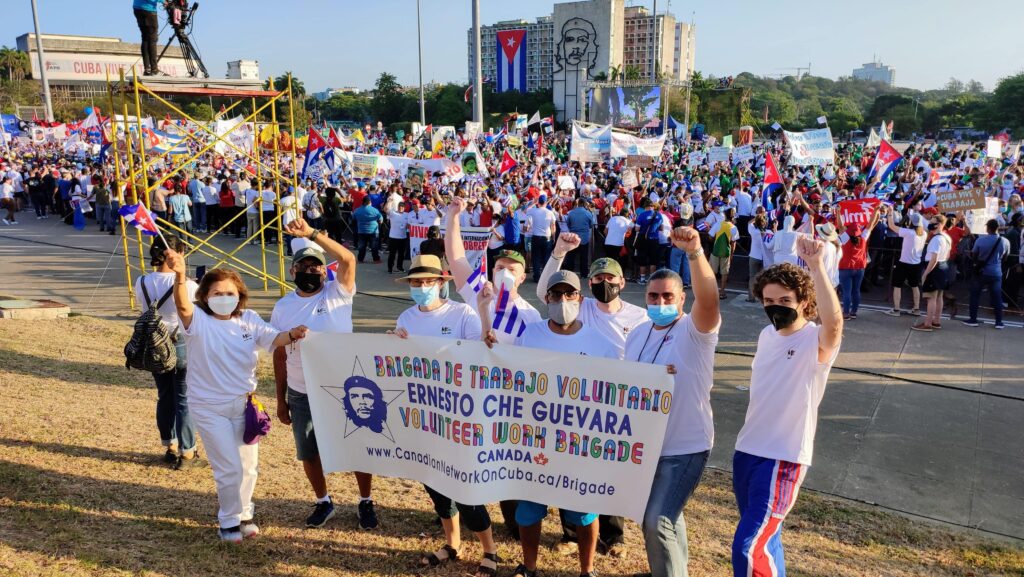
“[Cuba] is in a severe energy crisis right now,” says Nigan Juniper, the vice president of the Canadian-Cuban Friendship Association and member of the 2026 Che Guevara Volunteer Work Brigade. “It’s not uncommon for there to be no power for most hours of the day.”
When power goes out, there goes water as well. Without gas, electricity, or water, people struggle to cook, shower, or even sleep, Juniper told The North Star.
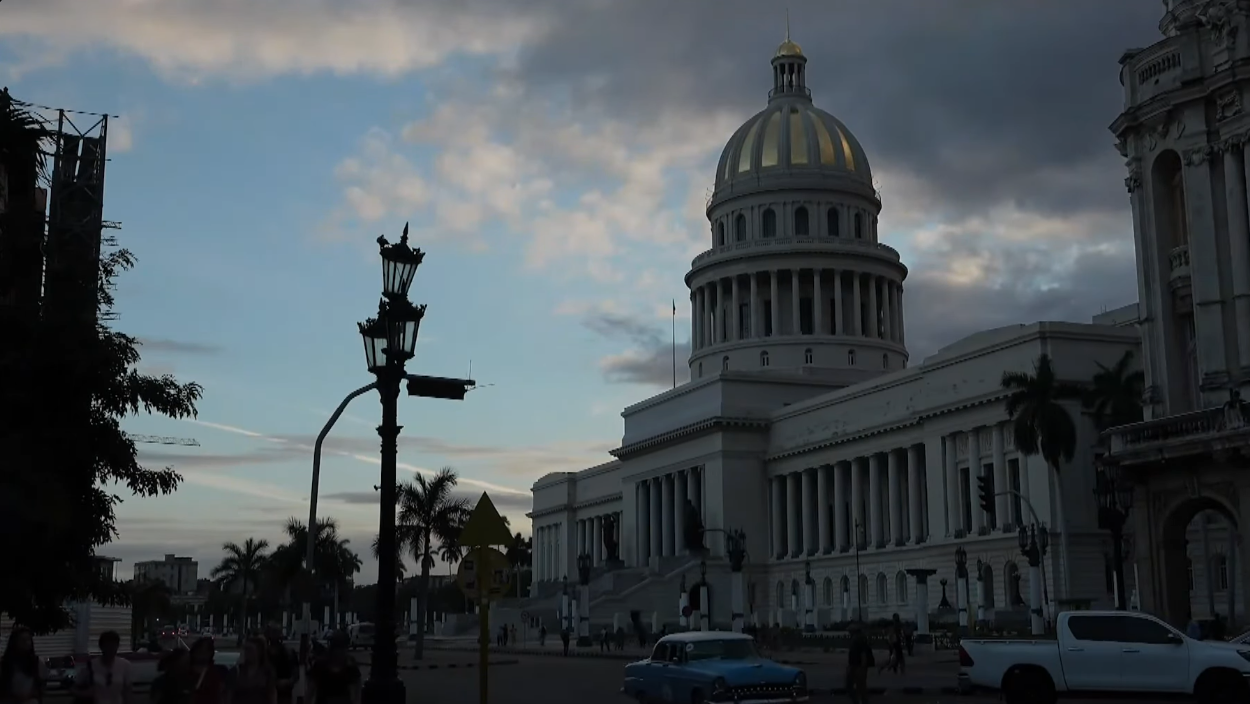
The living conditions of the Cuban people are worsening as the blockade severs their access to essential daily commodities. Food shortages have become dire as Cuba is blocked from the international trading network.
On top of that, Cuba is in critical need of medical supplies, says Juniper. “[Cuban hospitals] don’t have access to antibiotics, seizure medication, syringes or sutures. These are materials they can’t produce domestically.”
Despite having an impressive health care system where services are free and accessible, Cuba still relies on medical material imports which have been cut off by the sanctions. With limited resources, it is impossible for Cuban hospitals to meet the rising need for medical treatments.
On July 23, the Trump administration announced additional sanctions targeting Cuba’s foreign medical missions program along with other state-affiliated energy entities.
The foreign medical missions program has been one of Cuba’s important sources of revenue and diplomatic power. Every year, Cuba sends medical personnel to several countries in Latin America, Africa and Oceania and brings medical students to train on the island in exchange of foreign currency and goods. Since January, pressure from Washington has forced some countries, like Jamaica and Guayana, to halt the collaboration with Cuba.
Cuban people persist
“The lack of electricity makes people’s lives miserable,” Jeannine Mitchell, the executive director of Not Just Tourists Vancouver, told The North Star. “But at the same time, Cuban people are so amazingly resilient.”
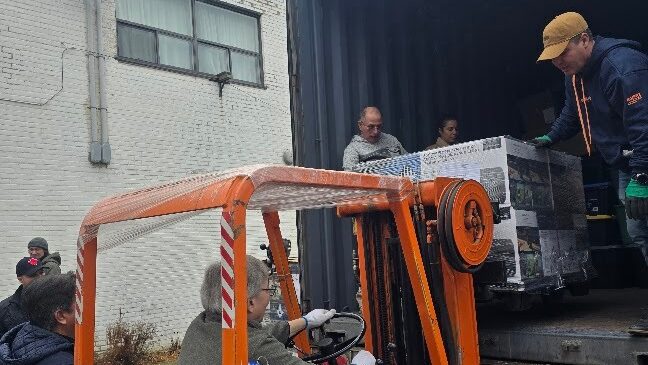
Not Just Tourists is a volunteer solidarity group that delivers medical aid to Cuba. Mitchell came back from such a mission in early June.
“I know a farming family who is losing money every single day because the gas costs more than they’re able to make from milking their cows,” says Mitchell.
Despite the hardship, the Cuban people and government are coming up with alternatives to ensure kids can continue education and adults can go to work.
Cuba is going through one of the fastest renewable energy transitions in history with the help of China‘s investment and imports of solar panels and batteries.
The island is now resorting to solar power. They are building solar arenas, a community source of electric power where people can charge their phones and electric fans. Through support from international relatives and governmental subsidies, solar-powered tricycles have become essential means of transportation on the island, says Mitchell.
In an attempt to resist the intensified U.S. sanctions and stabilize the economy, the Cuban government decided on June 17 to go through the most comprehensive and radical economic reforms since the fall of the USSR. The reforms attempt to decentralize the economy, open up opportunities for the private sector, and welcome investment from Cubans living abroad.
“As fast as the U.S. is making life hell, Cubans just keep trying,” Mitchell remarked.
The imperialist’s narrative vs. the people’s reality
The U.S. blockade on Cuba is the longest in history between two sovereign countries. It has existed, in various forms, since the Cuban revolution and the birth of the people’s state. In 2025, the United Nations General Assembly has been calling for a resolution to end the U.S. blockade on Cuba for 33 consecutive years.
The longstanding blockade has been disrupting Cuban people’s efforts to thrive economically.. In the 2025 Cuba’s report to the United Nations, Cuba estimated the damages of the blockade since the 1960s has cost the island up to US$2.1 trillion in today’s price. The report indicated the cost of two months of blockade could cover the rationed family food basket to the population during a year, which is around US$1.6 billion.
“Without the blockade, Cuba’s GDP could have grown by around 9.2 percent in 2024,” the report states.
Che Guevara Brigade coordinator Tess Stuber says that because of the longstanding blockade, energy and commodity shortages aren’t new on the island. Cuba has managed to survive for a time by adaptive production measures and trading relations with close allies.
Evidence from a study by economist Pavel Vidal indicates that the U.S. economic sanctions have failed to economically isolate Cuba and remove the people’s government. However, the escalating U.S. sanctions this year are pushing Cuba over the edge.
The tactic of the recent oil siege is to put another layer of isolation on Cuba, separating it from the rest of the world by enforcing “a secondary sanction” that threatens to raise tariffs on goods imported from any countries that provide fuel to the island.
In a January executive order, the Trump administration accused the Cuban government of violating human rights and affiliating with countries that are deemed as a threat to the U.S.’s security, such as Russia or China.
“[The accusation] lacks credibility and appears designed to justify the use of extraordinary and coercive powers,” UN experts state in a press release. Independent journalists from the Belly of the Beast have also debunked U.S. allegations that Cuba is a terrorist threat.
Both Mitchell and Juniper believed the sanctions had been imposed to establish the U.S.’s access to Cuban resources and further strengthen its influence in Latin America.
“They want wealth,” Mitchell says of the United States. “[And they want to] bring back the good old days of Batista,” referring to the 26-year dictatorship of Fulgencio Batista during—a period in which the country was dominated by U.S. hegemony.
“We’re sold a narrative that [the sanctions] target corrupted officials, [but] they target the average people,” says Juniper. He believes the U.S.’s biggest “problem” with Cuba is that it is “setting up a good example for working people all over the world.”
Stuber says the majority of Cuban people see their government as a true representative of the people with which Cuban people have been working in solidarity to protect Cuban self-determination and sovereignty against U.S. intervention.
The Canadian Network on Cuba is organizing a nationwide Cuba solidarity campaign called “No War on Cuba”. It is urging Canada to denounce the blockade, to uphold its vote against the blockade in the upcoming United Nations Assembly, and to lift the travel advisory that is hurting Canadian tourism in the Caribbean island.
For more information: no-war-on-cuba
Be part of the conversation!
Only subscribers can comment. Subscribe to The North Star to join the conversation under our articles with our journalists and fellow community members. If you’re already subscribed, log in.